Trusted Tree Care Services in Lynchburg, VA
Welcome to your go-to spot for finding tree care pros in Lynchburg! Whether you've got a storm-damaged oak or just need some routine trimming, we've got local folks who can help.
Map of Businesses in Lynchburg
All Listings in Lynchburg
10 businesses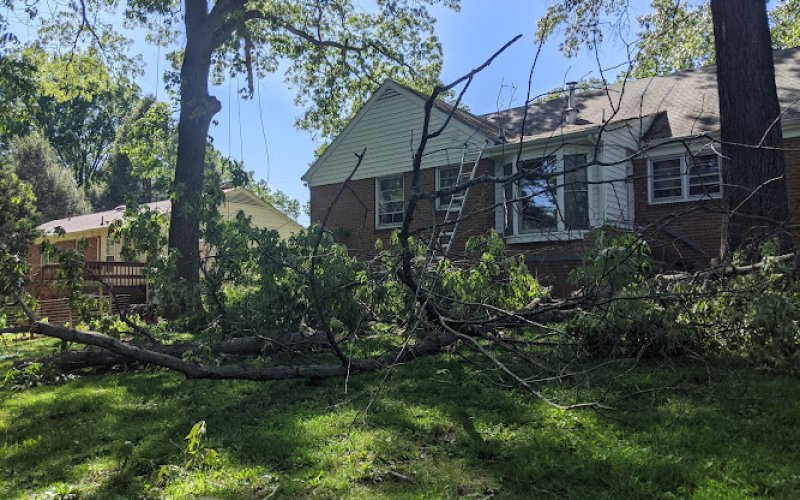
Alto Tree Service
Tree service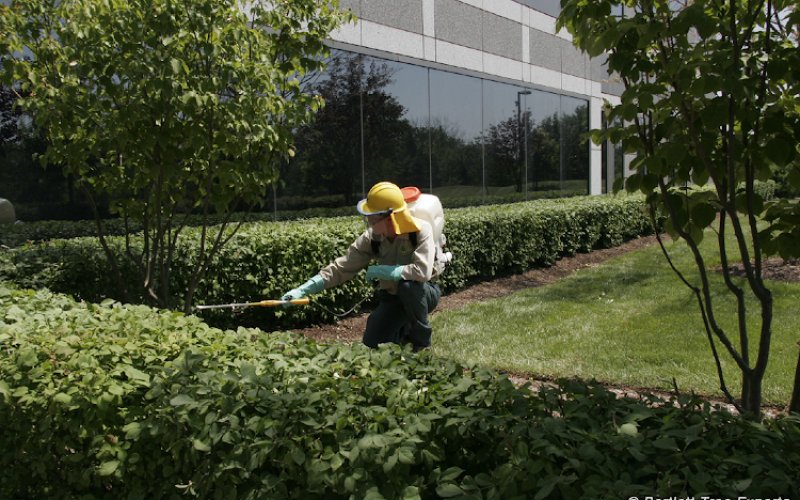
Bartlett Tree Experts
Tree service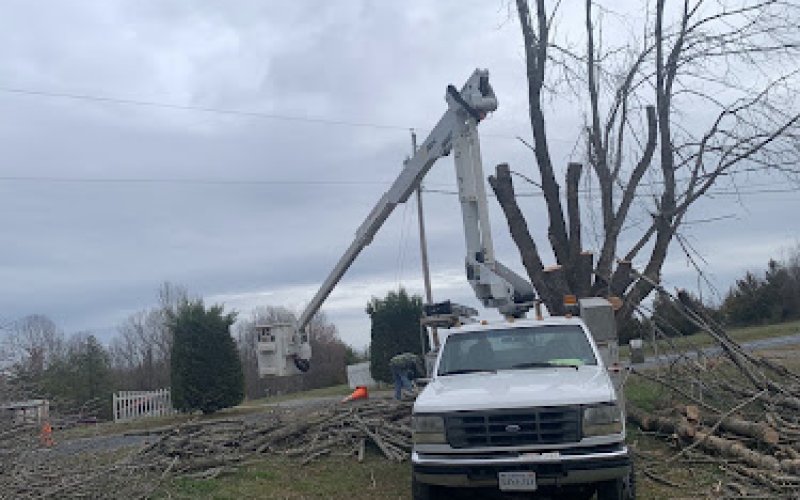
Four Seasons Tree & Landscaping Services
Tree service
Stump doctor Grinding & Tree Service
Tree service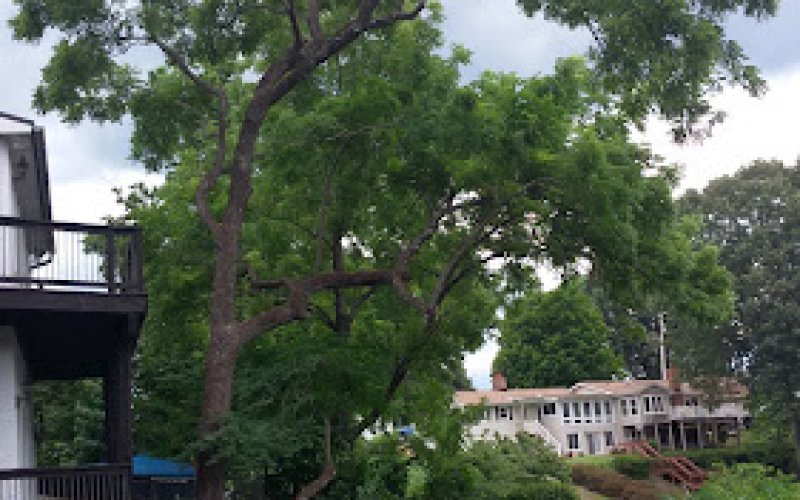
Branching Out Tree Care Experts
Tree service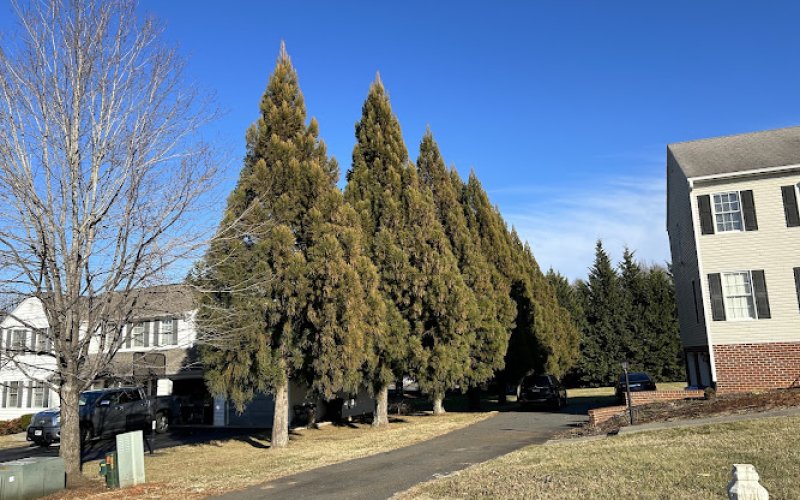
Garcia's Tree Services LLC
Tree service
Sharptop Tree Service LLC
Tree service
RMZ Tree Service LLC
Tree service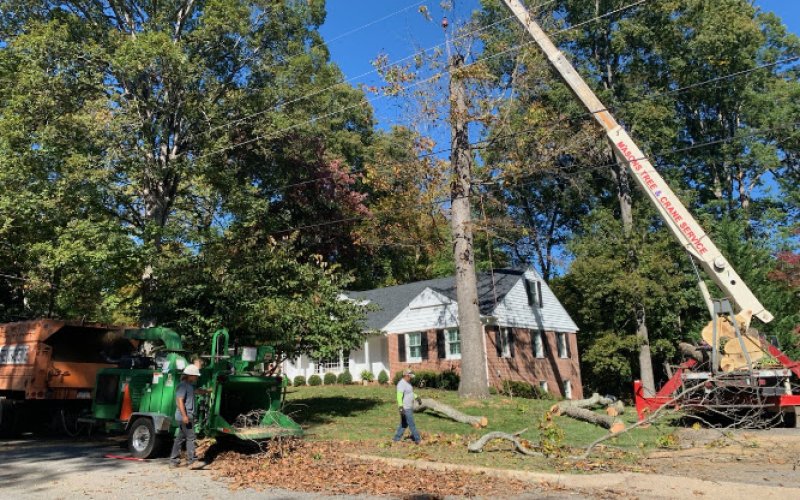
Mason's Tree Service
Tree service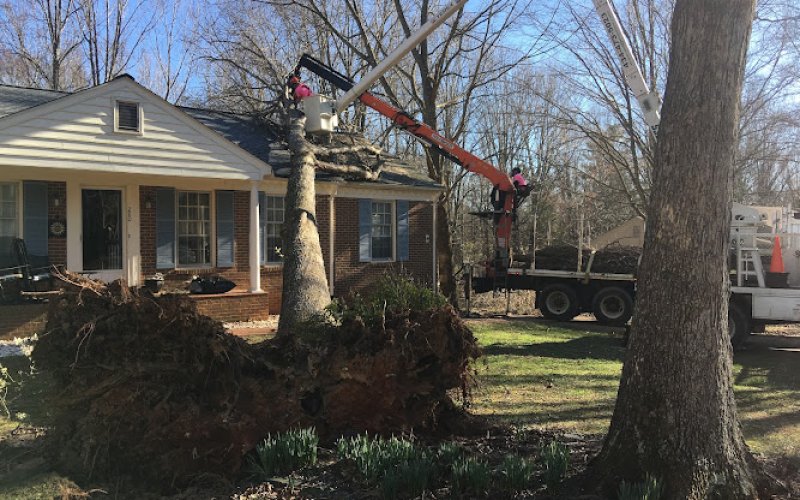
About tree care in Lynchburg
Here's a pattern you'll notice fast if you spend any time around Lynchburg's older neighborhoods: the trees are old. Really old. We're talking oaks and tulip poplars that have been standing since before the streets around them were paved, and that changes everything about how Tree Care Services works here compared to, say, a newer sprawl city out in the Piedmont. Mature canopy means more deadwood, more root pressure on foundations, more limbs hanging over roofs that make homeowners nervous every time a thunderstorm rolls through the James River valley.
And storms are the other half of this story. Lynchburg sits in that spot where you get real winter ice events AND summer thunderstorm cells that can drop a limb the size of a small car onto a driveway with zero warning. So demand for Tree Care Services here isn't steady in a boring way — it breathes. Calm stretches where people book routine pruning weeks out, then a wind event hits and suddenly every crew in the region is booked solid for emergency work. That rhythm shapes the whole market.
The market itself feels fragmented — a handful of established local outfits with real crews and bucket trucks, alongside a rotating cast of smaller operations (sometimes just a guy with a chainsaw and a trailer) who show up heavier after storms and thin out in slow months. Customers split pretty cleanly into three buckets: homeowners in older neighborhoods dealing with a hazardous or damaged tree, developers clearing lots out toward the growing edges of the city, and HOAs or property managers maintaining common areas and buffer strips. Each of those buyers wants something different, and that's part of why pricing in this market can feel like it's all over the place if you don't know what you're comparing.
Rivermont
- Area Profile: One of Lynchburg's classic older neighborhoods — historic homes, established families, plenty of long-time residents who take pride in their yards.
- Tree Care Services Activity: Heavy on pruning and cabling for large ornamental and shade trees, plus removal when a century-old tree finally starts showing decay. Preservation-minded work is common here — folks want to save the tree if at all possible.
- Price Range: Mid to upper range, often $600–$2,500+ depending on tree size and whether crane access is needed.
- Local Note: Narrow streets and tight lots near Rivermont Avenue mean equipment access is often the real challenge — not the tree itself.
Boonsboro
- Area Profile: Established, comfortable, a mix of mid-century homes and newer infill near the shopping corridor. Skews a bit more affluent.
- Tree Care Services Activity: Regular maintenance trimming, stump grinding after past removals, and a fair amount of "is this tree going to fall on my house" consultations.
- Price Range: $300–$1,800 for most jobs, trending toward the higher end for larger hardwoods near structures.
- Local Note: Several HOA-governed pockets here require sign-off before removing certain trees — worth checking before you schedule anything.
Forest / Timberlake area (edge of Lynchburg)
- Area Profile: Newer construction, larger lots, families who moved out this direction for space. Growing steadily.
- Tree Care Services Activity: Lot clearing for new builds, plus storm cleanup since these properties often back up to wooded buffers.
- Price Range: Wide range — small cleanup jobs run a few hundred dollars, full lot-clearing packages can run well into the thousands.
- Local Note: Because lots are bigger, equipment access is usually easier here — which can actually bring the per-tree cost down compared to tighter in-town lots.
Downtown / Federal Hill
- Area Profile: Dense, historic, a mix of renovated homes and rentals near the city core.
- Tree Care Services Activity: Smaller-scale trimming and removal — think street trees, single ornamental trees in postage-stamp yards.
- Price Range: Generally lower per job, $200–$1,000, simply because trees tend to be smaller.
- Local Note: Tight alleys and on-street parking make truck access a real limiting factor — some crews charge more here just for logistics.
Wyndhurst / Lakeside
- Area Profile: Newer-to-mid-age suburban development, family-heavy, generally higher household income.
- Tree Care Services Activity: Preventative pruning, cabling for split-prone trees, and stump grinding tied to landscaping upgrades.
- Price Range: Mid-range, $400–$2,000, with landscaping-adjacent add-ons pushing totals up.
- Local Note: HOA aesthetic standards mean people here often maintain trees proactively rather than waiting for a problem — steadier demand year-round.
📊 Current Price Points:
- Budget options: $150–$500 (limb trimming, small tree pruning, minor cleanup)
- Mid-range: $500–$1,800 (medium tree removal — the most common job type by far)
- Premium: $2,000+ (large or hazardous removals requiring crane work, extensive stump grinding, multi-tree lot clearing)
📈 Market Trends:
- Demand runs seasonal but with a clear storm-driven spike pattern — steady baseline work with sharp surges after major wind or ice events.
- Crew availability tightens noticeably in late summer and right after storms; slower months make scheduling easier and often cheaper.
- Pricing has been drifting upward gradually, tracking fuel costs, insurance costs for crews, and general labor availability.
- Dormant-season work (late fall through winter) tends to be both cheaper and better for tree health, so demand shifts toward pruning in that window.
- Emergency work often gets same-day-to-a-few-days response depending on severity; routine work can mean a wait of several weeks during peak season.
💰 What People Are Spending:
- Tree removal (medium-sized) — $500–$1,800
- Trimming/pruning — $200–$800 per visit
- Stump grinding — $150–$500 depending on diameter
- Emergency storm cleanup — $300–$3,000+ depending on damage scope
Economic Indicators: Lynchburg's population has been growing modestly, with steady residential development pushing outward toward areas like Forest and Timberlake. Higher education (Liberty University, Lynchburg University) and healthcare are among the area's dominant employers, which supports a fairly stable base of homeowners investing in property upkeep. Income levels vary a lot by neighborhood — older in-town areas skew more modest, while newer suburban pockets trend higher — which shows up directly in how much people are willing to spend on tree work.
Local Market Dynamics: Demand here is really driven by three things layered on top of each other — an aging tree canopy in established neighborhoods, storm frequency tied to the region's weather patterns, and ongoing new construction that requires lot clearing. Competition is fragmented: a core group of established companies with real insurance and certified arborists, plus a shifting layer of smaller crews that come and go, especially busy after storms.
How This Affects Buyers/Customers: Practically, this means price-shopping matters, but so does timing. A homeowner in Rivermont calling for a quote in March during calm weather will likely get a better price and faster scheduling than someone calling the week after an ice storm knocks half the trees down along Fort Avenue. Knowing that rhythm is worth more than any single quote.
Lynchburg Seasonal Patterns:
- ☀️ Spring/Summer: High demand — full canopy makes hazards more visible, and thunderstorm season keeps crews busy with cleanup.
- 🍂 Fall: Good window for proactive removal before winter ice hits, moderate demand, decent availability.
- ❄️ Winter: Slower season for routine work — dormant-season pruning is often cheaper and healthier for the tree, but ice storms can cause sudden emergency surges.
- 📅 Peak months: Late spring through mid-summer books up fastest; late fall and winter are best for negotiating and scheduling flexibility.
Timing Tips for Lynchburg: The best general window for non-emergency work tends to be late fall into winter, once the leaves are down and crews aren't stretched thin. Emergency demand spikes hard right after storms — expect longer waits and sometimes higher prices in those windows. For routine maintenance, scheduling a few weeks to a couple months ahead is realistic; waiting until you actually need it done urgently rarely works in your favor.
Smart Timing Tips:
- ✓ Book dormant-season pruning in late fall for better pricing and tree health
- ✓ Get on a company's schedule before storm season ramps up in late spring
- ✓ Don't panic-book the first door-knocking crew after a storm — assess first
- ✓ Ask about multi-tree discounts if you've got several jobs to do at once
Credentials to Verify: Look for an ISA Certified Arborist on staff — that credential actually means something for diagnosing tree health versus just cutting wood. Confirm they carry a valid Virginia business license, and don't skip checking for general liability insurance and workers' compensation coverage. Membership in an organization like TCIA (Tree Care Industry Association) is a solid signal of legitimacy, though plenty of good local outfits operate without it too.
Questions to Ask:
- How long have you been working in the Lynchburg area specifically?
- Can you provide references from recent local jobs?
- Do you carry both liability insurance and workers' comp for climbers on the crew?
⚠️ Red Flags Specific to Lynchburg Tree Care Services:
- No proof of liability insurance or workers' comp — if a worker gets hurt on your property without it, you could be on the hook
- Door-knockers after a storm pushing immediate removal of a tree that doesn't actually look hazardous
- Demanding full payment upfront before any work starts
- Offering to "top" a tree (flat-cutting the crown) — reputable arborists avoid this because it damages long-term tree health
Where to Check Complaints: The Better Business Bureau is a solid starting point for pattern-checking a company's history. Google and Yelp reviews are useful too — pay attention less to the star average and more to whether complaints mention insurance issues, no-shows, or property damage disputes, since those patterns matter more than a single bad review.
✓ Established presence in Lynchburg (not just passing through after a storm)
✓ Verifiable local reviews and references
✓ Transparent pricing, no hidden fees
✓ Clear process explained upfront
✓ Responsive communication
No insurance documentation available on request
Pressure tactics or urgency sales pitches right after a storm
Vague or verbal-only pricing with no written estimate
Willingness to top a tree just because you asked
Check Reviews & Ratings
We recommend verifying businesses through trusted review platforms before making a decision.
Frequently Asked Questions
Popular Categories in Lynchburg
Explore Other Cities
🌳 Tree Care Pros near Lynchburg
Professional Categories in Lynchburg, VA
Related Services from Similar Professionals