Richmond, VA's Trusted Tree Care Services
Welcome to your go-to spot for finding tree care pros in Richmond, VA! Whether you've got a storm-damaged oak or just need some routine trimming, we've got local experts ready to help.
Map of Businesses in Richmond
All Listings in Richmond
13 businesses
Premier Tree Service Care LLC
Tree service
RVA Emergency Tree Removal
Tree service
TreeCareHQ Richmond
Tree service
Trees Company RVA
Arborist service
Bartlett Tree Experts
Tree service
C. S. Flournoy Inc.
Tree service
Clean Cuts Tree Service LLC
Tree service
Commonwealth Tree Care
Tree service
Truetimber Arborists
Tree service
Cambium Tree Services
Tree service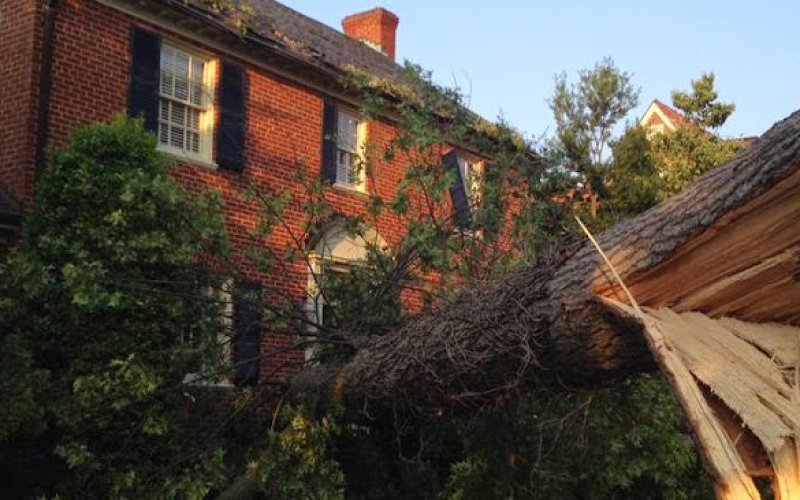
Humanitree Tree Service
Tree service
The Davey Tree Expert Company
Tree serviceAbout tree care in Richmond
Drive down Monument Avenue or through the Museum District after a summer thunderstorm rolls through, and you'll usually spot at least one crew already out there — chainsaws going, chipper running, someone's massive oak limb blocking half the street. That's Richmond in a nutshell. This city's tree canopy is old, dense, and gorgeous, and it's also the reason so many homeowners end up with a tree company's number saved in their phone.
The market here is what you'd call fragmented — lots of small crews, a handful of established companies with real fleets and ISA Certified Arborists on staff, and a rotating cast of storm-chasers who show up after a bad weather event and vanish by fall. Demand is driven by a few overlapping things: the sheer age and size of trees in neighborhoods built out decades ago, the region's exposure to summer thunderstorms and the occasional hurricane remnant blowing up from the coast, and a steady stream of new construction on the outer edges of the metro where lots need clearing before anyone pours a foundation. Add in pest and disease pressure — emerald ash borer has been chewing through ash trees regionally for years now, and plenty of older oaks and maples are just reaching the age where storm damage and internal rot become real risks — and you've got a market that never fully goes quiet.
Customers break down pretty predictably. You've got homeowners in the older, tree-heavy neighborhoods dealing with a leaning oak or a storm-cracked limb. You've got developers and builders clearing lots out in Chesterfield or Hanover County spillover areas. And you've got HOAs in the newer subdivisions maintaining common areas and street trees under some kind of covenant. What makes Richmond a little different from, say, a flatter Midwest city is the combination of mature hardwood canopy, real storm risk, and hilly terrain in spots like Church Hill or parts of the North Side — that terrain changes what equipment can even get close to a tree, which affects both price and who's willing to take the job.
The Fan / Museum District
- Area Profile: Dense, historic, walkable — narrow lots, alleys, and a lot of pride-of-ownership homeowners in century-old houses.
- Tree Care Services Activity: Heavy on pruning and canopy maintenance, since most of these trees are decades old and homeowners want them preserved, not removed. Storm cleanup after big wind events is common too.
- Price Range: Mid-to-upper — tight access often means hand-work instead of big machinery, which pushes labor costs up.
- Local Note: Alley access is a real headache here. Crews sometimes have to hand-carry brush half a block to reach a chipper truck, and that alone can shift a quote.
Church Hill
- Area Profile: A mix of long-time residents and newer buyers renovating older homes, with hilly terrain and a good amount of mature canopy overlooking the James River bluffs.
- Tree Care Services Activity: Removal and hazard assessment are common — a lot of these trees lean toward houses or power lines given how tightly packed the lots are.
- Price Range: Varies a lot depending on slope and access; steep yards can mean specialized rigging.
- Local Note: Terrain matters more here than almost anywhere else in the city — a tree that'd be a routine removal on flat ground can require rope rigging and extra time on a hillside lot.
West End (Short Pump / Innsbrook area)
- Area Profile: Newer construction, larger suburban lots, higher household incomes on average, and a good number of HOA-governed communities.
- Tree Care Services Activity: Routine trimming and stump grinding dominate, along with clearing for additions, pools, or landscaping projects.
- Price Range: Generally mid-range, with equipment access being easier thanks to wider driveways and yards.
- Local Note: Plenty of HOAs here require approval before removing a tree, even a dead one — worth checking before you even call a company.
North Side (Ginter Park / Bellevue)
- Area Profile: Older established neighborhoods, big shade trees lining the streets, a mix of long-term owners and younger families moving in.
- Tree Care Services Activity: Storm damage cleanup and preventive pruning are big here — those old street trees are impressive but also prone to dropping large limbs.
- Price Range: Mid-range, though large tree removals near power lines can push costs up.
- Local Note: A lot of these trees are technically close to or overhanging city right-of-way, which can complicate who's responsible for what.
Chesterfield / Midlothian Corridor
- Area Profile: Suburban growth corridor, newer subdivisions mixed with older rural-feeling properties on bigger acreage.
- Tree Care Services Activity: Lot clearing for new builds, plus large-scale removal on bigger properties.
- Price Range: Can run higher on the high end simply due to volume — clearing multiple large trees costs more than a single-tree job, even at a similar per-tree rate.
- Local Note: Wide open lots mean easier equipment access, which can actually make big jobs more efficient (and sometimes cheaper per tree) than in the city.
📊 Current Price Points:
- Budget options: $150–$500 (small tree/limb trimming, basic pruning)
- Mid-range: $500–$1,800 (medium tree removal, most popular segment)
- Premium: $2,000+ (large/hazardous tree removal requiring a crane, extensive stump grinding, multi-tree jobs)
📈 Market Trends:
- Demand tends to spike hard right after severe storms, then settle into a steadier baseline the rest of the year.
- Good crews with proper insurance stay busy nearly year-round — availability tightens noticeably after major storm events.
- Pricing has been drifting upward gradually, following general labor and equipment cost trends rather than any dramatic jump.
- Dormant-season (late fall through winter) pruning is common and often priced a bit more favorably, since it's easier on the tree and crews have more open scheduling.
- Emergency work post-storm can get scheduled within a day or two for genuine hazards; routine, non-urgent work often books out several weeks depending on the season.
💰 What People Are Spending:
- Tree removal (medium-sized) — $600–$1,800
- Trimming/pruning — $200–$800 depending on tree size and number of trees
- Stump grinding — $150–$500 per stump, sometimes bundled into removal jobs
- Emergency storm cleanup — highly variable, often $300–$2,500+ depending on scale of damage
Economic Indicators: Richmond's population and surrounding counties have been on a general growth trend, with new residential development pushing outward into Chesterfield, Hanover, and parts of Henrico. The area's economy leans on government employment (state capital), healthcare and higher ed (VCU is a major anchor), finance, and a growing logistics/distribution presence. Income levels vary widely by neighborhood — some close-in areas skew upper-middle to affluent, while others remain solidly working-class, which shapes what people are willing to spend on tree work.
Local Market Dynamics: The core demand driver is simple — a lot of Richmond's trees are old, tall, and were planted before anyone thought much about power lines or foundations twenty feet away. Combine that with storm frequency (thunderstorms, occasional hurricane remnants, ice events some winters) and normal pest/disease pressure, and you get consistent baseline demand plus periodic surges. Competition is fragmented: a few well-established companies with ISA arborists and full crews dominate the bigger, more complex jobs, while smaller independent operators and seasonal crews compete hard on price for routine work.
How This Affects Buyers/Customers: Practically, this means it pays to get multiple quotes — prices for the same job can swing noticeably between a small crew working out of a pickup and a full-service company with a crane truck. It also means timing matters: booking a non-emergency job in late fall or winter can mean better availability and sometimes better pricing than trying to get someone out in the middle of a July storm scramble.
Richmond Seasonal Patterns:
- ☀️ Spring/Summer: High demand — full canopy makes hazards more obvious, and thunderstorm season keeps emergency crews busy.
- 🍂 Fall: Good window for proactive removal or trimming before winter storms and ice arrive; scheduling tends to be a bit more flexible.
- ❄️ Winter: Often the best time for pruning — trees are dormant, it's healthier for them, and crews generally have more open calendar space, which can mean friendlier pricing.
- 📅 Peak months: Late spring through late summer is peak — book early. Late fall through winter is when you have more negotiating room.
Timing Tips for Richmond: The best general window for routine, non-emergency work is late fall into winter. Emergency call volume spikes almost immediately after any serious storm — that's when prices firm up and scheduling gets tight. Growth cycles mean spring pruning can stress a tree more than winter pruning does, something a good arborist will mention unprompted. For routine work, scheduling a few weeks to a couple months ahead is usually realistic.
Smart Timing Tips:
- ✓ Book dormant-season pruning in late fall for better pricing and healthier trees
- ✓ Don't wait until a limb is already cracking — get a hazard assessment before storm season peaks
- ✓ Avoid rushing into a same-day post-storm removal unless it's an actual emergency — verify the urgency first
- ✓ Ask about bundling stump grinding with removal to save a return trip fee
Credentials to Verify: Look for an ISA Certified Arborist on staff — that credential matters far more than a generic "tree service" label. Confirm they carry a valid Virginia business license and, critically, both general liability insurance and workers' compensation coverage for climbers. Membership in TCIA (Tree Care Industry Association) is a solid signal of legitimacy, though plenty of good local companies operate without it. Check reviews across Google, Yelp, and Nextdoor — patterns matter more than any single glowing or scathing review.
Questions to Ask: How long have they operated in the Richmond area specifically? Can they provide references from recent local jobs? Do they carry insurance for both the company and the individual climbers on a crew?
⚠️ Red Flags Specific to Richmond Tree Care Services:
- No proof of liability insurance or workers' comp — if a worker is hurt on your property without it, you can be held liable
- Door-knockers after a storm pushing immediate removal of a tree that doesn't actually need it
- Demanding full payment upfront before any work starts
- Offering to "top" a tree (cutting it flat) — a harmful practice reputable arborists avoid
Where to Check Complaints: The Better Business Bureau is a decent starting point for pattern-checking. Google and Yelp reviews are useful, but read for consistency — one bad review among fifty good ones is normal; a string of complaints about no-shows or damage is not.
✓ Established presence in Richmond (not just passing through)
✓ Verifiable local reviews and references
✓ Transparent pricing, no hidden fees
✓ Clear process explained upfront
✓ Responsive communication
Check Reviews & Ratings
We recommend verifying businesses through trusted review platforms before making a decision.
Frequently Asked Questions
Popular Categories in Richmond
Explore Other Cities
🌳 Tree Care Pros near Richmond
Professional Categories in Richmond, VA
Related Services from Similar Professionals