Trusted, Top-Rated Tree Care Services in Seattle, WA
Welcome to your one-stop spot for finding awesome tree care folks in Seattle! Whether your tree needs a trim, a checkup, or some serious TLC, we've got local pros ready to help.
Map of Businesses in Seattle
All Listings in Seattle
24 businesses
Arbor Tree Care
Tree service
Blooma Tree Experts
Tree service
Dream Team Tree Services LLC
Tree service
Integrity Tree Works
Tree service
Issaquah Tree Care
Tree service
Tree133 Professional Arborists
Tree service

Beckner Tree Care
Tree service
Cascade Tree Care
Tree service
Seattle Tree Care
Tree service
Tree Harmony Arborists
Tree service

Tree Service By Northwest
Tree service

Bartlett Tree Experts
Tree service
Davey Tree
Tree service
Eastside Tree Works
Tree service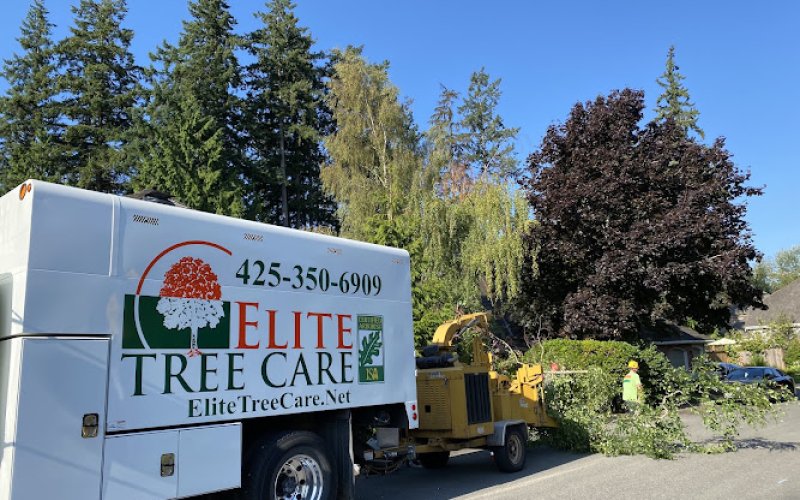
Elite Tree Care LLC
Tree service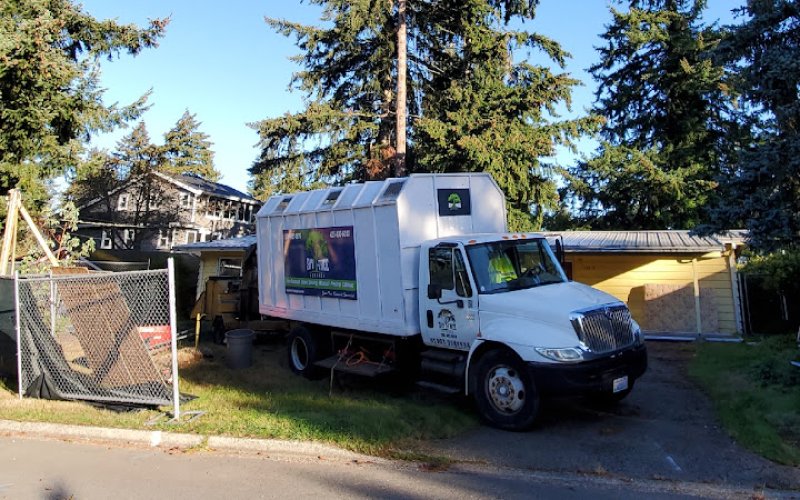
Sky Tree Service LLC
Tree service
Sound Tree Care LLC
Tree serviceAbout tree care in Seattle
Here's the thing about Seattle: the same big-leaf maples and Douglas firs that make neighborhoods like Laurelhurst and Magnolia so pretty are also the reason your homeowner's insurance agent knows your address by heart. This is a city built in a forest, basically, and every windstorm that rolls through in November reminds people of that fact real fast. The Tree Care Services market here runs on a few predictable engines. Storm damage is the big one — a hard windstorm off the Sound can knock out power and drop limbs across half a dozen zip codes in one night, and suddenly everyone with a leaning cedar in the backyard is calling around. Then there's the slower burn: root rot, laminated root disease in western hemlock, and just plain old age catching up with trees that were already mature when the surrounding houses were built in the 1940s. Add in the construction boom — infill lots in places like Ballard and Rainier Valley getting cleared for townhomes — and you've got demand coming from a few different directions at once, not just one. It's a fragmented market. You've got large outfits with bucket trucks and cranes that can handle a hazardous 80-foot fir near power lines, and you've got two-person crews working out of a pickup who mostly do pruning and small removals. Both have their place. Customers tend to split into a few buckets too — homeowners dealing with a specific problem tree, developers who need a lot cleared before permits get pulled, and HOAs in condo or townhome developments maintaining shared greenbelt space. What makes Seattle different from, say, a Sun Belt city doing tree work is mostly about risk and access: steep lots, narrow alleys in older neighborhoods, soil that turns to soup in winter, and species that get genuinely massive. A crew here needs to think about slope stability and root systems in a way that just isn't the same conversation in Phoenix.
Laurelhurst
- Area Profile: Older, high-income neighborhood near the University of Washington, big lots, lots of legacy landscaping from the mid-20th century.
- Tree Care Services Activity: Heavy on pruning and canopy management — big, established trees that homeowners want maintained rather than removed, plus the occasional hazard removal when something's clearly rotting from the inside.
- Price Range: Tends to run mid-to-upper end, often $800-$3,000+ for larger jobs given tree size and age.
- Local Note: A lot of these trees predate the houses next to them, so crane access and careful rigging matter more here than almost anywhere else in the city.
Ballard
- Area Profile: Mix of old Scandinavian-roots single-family blocks and new infill townhomes, younger demographic moving in fast.
- Tree Care Services Activity: Lot-clearing for new construction, plus a steady stream of stump grinding once a removal's done and someone wants to actually use the yard.
- Price Range: Stump grinding commonly $150-$500 depending on diameter; removals tied to construction can run higher due to permitting hoops.
- Local Note: Tight lots and narrow streets mean equipment access is a real limiting factor — quotes here often include a line for "difficult access."
Capitol Hill
- Area Profile: Dense, urban, mix of renters and condo owners, small yards where they exist at all.
- Tree Care Services Activity: Smaller-scale trimming, street tree maintenance disputes, occasional removal when a tree threatens a shared fence or driveway.
- Price Range: Smaller jobs typically $200-$700, since most trees here are modest street or yard specimens, not old-growth giants.
- Local Note: A surprising number of jobs here involve city right-of-way trees, which usually means an extra permit step before anyone touches a chainsaw.
West Seattle
- Area Profile: Peninsula feel, a mix of bluff-view homes and more modest inland blocks, decent tree cover throughout.
- Tree Care Services Activity: Storm cleanup spikes hard here — the exposure off the Sound means wind damage hits West Seattle disproportionately compared to more sheltered inland neighborhoods.
- Price Range: Emergency storm work often runs $300-$1,500 depending on how tangled things get; routine trimming stays lower, closer to $200-$600.
- Local Note: Bluff lots add a slope-stability wrinkle — root systems holding soil in place is a real consideration before anyone recommends removal.
Rainier Valley
- Area Profile: More affordable, diverse, mix of older single-family homes and newer multi-family development pushing in.
- Tree Care Services Activity: A blend of routine maintenance and reactive removal — budgets here tend to prioritize "fix the problem" over ongoing canopy management.
- Price Range: Generally on the lower-to-mid end citywide, often $250-$900 for standard jobs.
- Local Note: Growing development pressure means more lot-clearing requests tied to new builds, which sometimes runs into city tree-protection rules for larger specimens.
📊 Current Price Points:
- Budget options: $150-$400 (small tree/limb trimming, basic pruning)
- Mid-range: $500-$1,800 (medium tree removal, most popular segment)
- Premium: $2,000+ (large/hazardous tree removal requiring a crane, extensive stump grinding, or multiple-tree jobs)
📈 Market Trends: Demand is seasonal but trending upward overall — more infill construction plus an aging urban canopy means more calls, not fewer. Crew availability tightens noticeably right after a windstorm, when everyone with storm damage is dialing the same dozen companies at once. Pricing has been drifting upward gradually, partly labor costs, partly insurance costs for the companies themselves (liability coverage for climbers isn't cheap). Dormant-season pruning in late fall through winter is a known local pattern — arborists actually prefer working on deciduous trees when they're leafless, and it's often when pricing softens a bit since demand isn't storm-driven. Emergency work post-storm might get scheduled within a day or two if it's a genuine hazard; routine trimming or removal booked in the calmer months can sometimes wait two to four weeks depending on the crew. 💰 What People Are Spending:
- Tree removal (medium-sized): $500-$1,800 — the most commonly booked job type
- Trimming/pruning: $200-$600 for a standard yard tree, more for multiple large specimens
- Stump grinding: $150-$500 depending on diameter and root spread
- Emergency storm cleanup: $300-$2,000+, highly variable based on how many trees down and access difficulty
**Economic Indicators:** Seattle's population has generally kept growing over the past couple decades, and housing development hasn't slowed down much — that means more lots getting built on, more trees needing evaluation before permits get pulled. Tech and healthcare remain dominant employment sectors here, which keeps household incomes relatively strong compared to a lot of other West Coast metros, and that income cushion shows up in how willing people are to pay for proactive tree maintenance rather than waiting for a crisis. **Local Market Dynamics:** The core driver stays consistent: an aging urban canopy, planted heavily decades ago, now reaching the size and age where risk management becomes necessary. Add regular storm exposure and a handful of pest/disease pressures (root rot in cedars, for instance) and you've got steady structural demand on top of the storm-driven spikes. Competition is fragmented — a few larger, well-equipped companies handle the crane jobs and commercial contracts, while a long tail of smaller crews compete on price and neighborhood familiarity for routine work. **How This Affects Buyers/Customers:** Practically speaking, if you're a homeowner in a denser neighborhood with tight access, expect quotes to vary more between companies since equipment logistics differ crew to crew. If you're in an area with an HOA — common in newer West Seattle or Ballard developments — budget extra time for approval before work starts, since some HOAs require sign-off before any tree over a certain size comes down.
**Seattle Seasonal Patterns:**
- ☀️ Spring/Summer: Moderate-to-high demand, full canopy makes hazard assessment trickier, some storm activity but less than fall/winter.
- 🍂 Fall: Demand often rises as homeowners get ahead of winter storms — a good window to book pre-emptive hazard removal before things get busy.
- ❄️ Winter: Storm-driven surges for emergency work, but also the best window for dormant-season pruning — often cheaper and healthier for the tree.
- 📅 Peak months: Late fall through early winter for storm response; book routine work in late summer if you want more flexible scheduling.
**Timing Tips for Seattle:** Non-emergency work is generally easiest to schedule (and sometimes cheaper) in late summer or early fall, before the storm rush hits. Emergency demand spikes hard within 24-48 hours after a major windstorm — that's when you'll see the door-knockers too. Growth cycles matter for pruning timing; late winter dormant pruning is often recommended by arborists for tree health, not just convenience. **Smart Timing Tips:**
- ✓ Book routine trimming in late summer before fall storm season fills calendars
- ✓ Get hazard trees evaluated before November if you're worried about wind exposure
- ✓ Take advantage of dormant-season pricing for pruning, roughly December through February
- ✓ Schedule stump grinding whenever — it's not seasonal-dependent like live tree work
**Credentials to Verify:** Look for an ISA Certified Arborist on staff — that credential means someone's actually trained in tree biology, not just chainsaw operation. A valid Washington state business license is baseline, and liability insurance plus workers' comp coverage for any climbers is non-negotiable. Membership in TCIA (Tree Care Industry Association) is a decent signal of legitimacy, though plenty of solid small crews aren't members and that alone shouldn't disqualify anyone. **Questions to Ask:**
- How long have you been operating in the Seattle area specifically?
- Can you provide references from recent local jobs?
- Do you carry both liability insurance and workers' comp for anyone climbing on my property?
⚠️ Red Flags Specific to Seattle Tree Care Services:
- No proof of liability insurance or workers' comp — if a worker gets hurt on your property without it, you could be held liable
- Door-knockers right after a storm pushing immediate removal of a tree that doesn't actually look hazardous
- Demanding full payment upfront before any work starts
- Offering to "top" a tree (cutting it flat) — a damaging practice legitimate arborists avoid
**Where to Check Complaints:** Washington's Department of Labor & Industries handles contractor registration and complaints, which is worth a quick search before hiring. The Better Business Bureau is another decent check. And on Google/Yelp, look less at the star average and more at the pattern in written reviews — repeated mentions of no-shows or surprise charges matter more than one bad review from a random complainer.
✓ Established presence in Seattle, not just a truck that showed up after a storm
✓ Verifiable local reviews and references you can actually check
✓ Transparent pricing with no vague "surprise" line items
✓ A clear process explained before work starts
✓ Responsive, straightforward communication
Check Reviews & Ratings
We recommend verifying businesses through trusted review platforms before making a decision.
Frequently Asked Questions
Popular Categories in Seattle
Explore Other Cities
🌳 Tree Care Pros near Seattle
Professional Categories in Seattle, WA
Related Services from Similar Professionals