Need Tree Care Services in Washington? We've Got You Covered
Welcome to your one-stop spot for finding awesome tree care pros in the DC area! Whether your tree needs a trim, a checkup, or a little TLC, we've got you covered.
Map of Businesses in Washington
All Listings in Washington
8 businesses
Urgent Tree Removal & Trimming
Tree service
Urgent Tree Trimming
Tree service
Alexandria Tree Services Unlimited
Tree service
Milton's Tree Care Services LLC
Tree service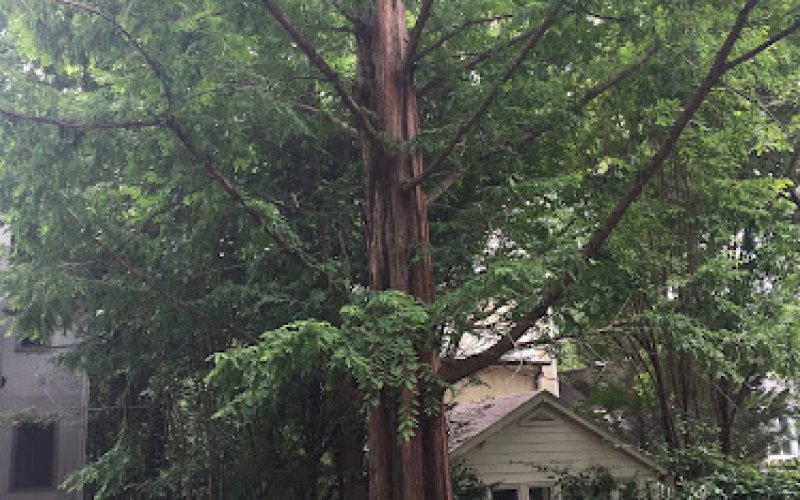
The Heart of Wood Tree Service
Tree service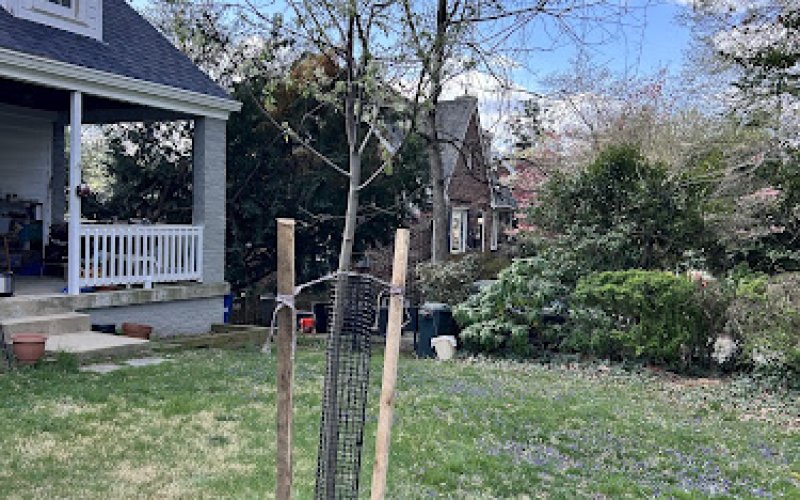
Casey Trees
Tree service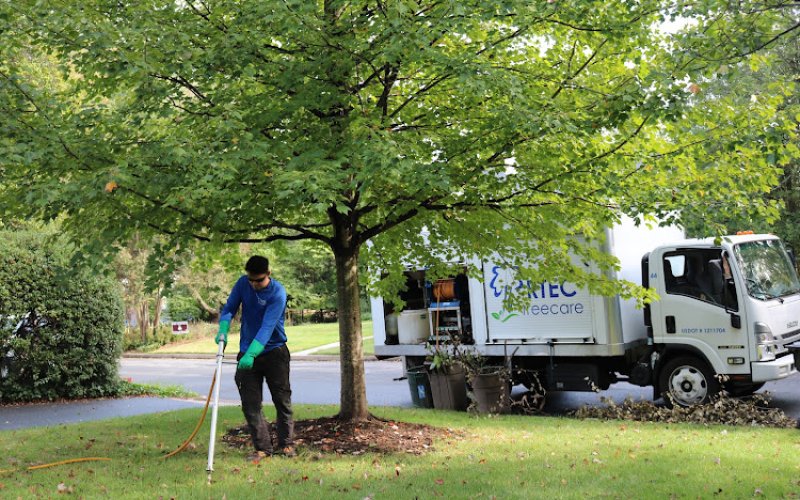
RTEC Treecare
Tree service
Arlington Tree Care
Tree serviceAbout tree care in Washington
Walk down almost any street in Cleveland Park or Chevy Chase DC and you'll notice something: the trees are older than most of the houses' second owners. Washington's residential canopy—a lot of it oak, tulip poplar, and American elm planted back when these neighborhoods were first built out—is now mature enough that limbs come down on their own, sometimes onto a roof, sometimes onto a parked Subaru. That's the quiet engine behind a lot of Tree Care Services work here. It's not really about people wanting nicer landscaping (though sure, that happens). It's about aging trees in a city that never stopped growing underneath them.
The market itself feels fragmented in a very DC way — a handful of established companies that have been climbing trees in Rock Creek Park-adjacent neighborhoods for decades, alongside a rotating cast of smaller crews and, frankly, some guys with a chainsaw and a truck who show up right after a bad windstorm. Demand spikes are pretty tied to weather. A derecho or a heavy wet snow in February can flood every arborist's voicemail in the region for two weeks straight. Between those events, work settles into a steadier rhythm of pruning, health assessments, and stump grinding.
Customers split into a few predictable buckets. You've got homeowners in older rowhouse neighborhoods dealing with a leaning silver maple that's making the whole block nervous. You've got developers clearing lots in up-and-coming corners of the city for new builds — that work tends to involve permits and inspections most homeowners never think about. And you've got HOAs and condo associations in places like The Villages of Shepherd Park managing shared green space, where one bad tree can turn into a months-long committee discussion before anyone's even hired. What sets DC apart from, say, a Sunbelt city is the combination of dense mature canopy, genuinely wild storm variability, and a regulatory layer (protected trees, street tree rules) that a lot of newcomers don't realize exists until they try to cut something down.
Cleveland Park / Woodley Park
- Area Profile: Older, established, higher-income households, lots of large single-family homes on lots with real canopy — this is textbook "big old tree next to a big old house" territory.
- Tree Care Services Activity: Heavy on pruning and canopy thinning, plus removal of aging or storm-damaged specimens near the house. Stump grinding requests are common after a big removal.
- Price Range: Mid-to-premium, often $600–$2,500+ depending on tree size and how close it sits to the structure.
- Local Note: Some of DC's protected tree rules kick in here more than people expect — a large enough tree may need a permit before it comes down, even on private property.
Capitol Hill
- Area Profile: Dense rowhouses, small yards, a real mix of longtime residents and newer buyers renovating older stock.
- Tree Care Services Activity: Small-scale trimming, street tree maintenance disputes, and tight-access removals where a bucket truck simply can't get to the backyard.
- Price Range: Trimming jobs often run $250–$800; removals in tight lots can actually cost more than a bigger suburban job because of the manual rigging required.
- Local Note: Alley access (or lack of it) is the whole ballgame here — crews without the right small equipment quote higher or just pass on the job.
Petworth
- Area Profile: A neighborhood in visible transition — longtime homeowners next to newer buyers renovating rowhouses, income levels genuinely mixed block to block.
- Tree Care Services Activity: A good amount of storm cleanup work, plus removals tied to renovation projects (a tree in the way of a rear addition, for instance).
- Price Range: Generally more moderate, $300–$1,800 depending on scope.
- Local Note: You'll see more price sensitivity here, so quotes tend to vary more between companies — worth getting two or three estimates.
Palisades / Foxhall
- Area Profile: Higher-income, wooded lots backing up near the Potomac and Battery Kemble Park, genuinely significant tree cover.
- Tree Care Services Activity: Large removals, storm risk assessments, and ongoing health management for legacy trees — some of these lots have specimens that predate the houses by a century.
- Price Range: Premium end, $1,500–$5,000+ for large or hazardous removals, sometimes requiring crane work.
- Local Note: Steep terrain near the river bluffs limits equipment access in spots, which pushes prices up and narrows the field of companies willing to take the job.
Anacostia / Congress Heights
- Area Profile: More affordable housing stock, a mix of longtime residents and newer investment/development activity.
- Tree Care Services Activity: Lot clearing tied to new development, plus routine removal of overgrown or hazardous trees on older properties.
- Price Range: Tends to run lower to mid-range, $250–$1,500 for typical residential jobs.
- Local Note: Development-driven clearing here often needs permitting review, which can slow a project down if the tree in question is a protected species or size.
📊 Current Price Points:
- Budget options: $150–$500 (small tree/limb trimming, basic pruning)
- Mid-range: $500–$1,800 (medium tree removal, the most common job type)
- Premium: $2,000+ (large or hazardous removal requiring a crane, major stump grinding, multi-tree lot clearing)
📈 Market Trends:
- Demand runs steady year-round but spikes hard after storms — a single bad weekend can back up scheduling for weeks.
- Crew availability tightens noticeably in late summer and right after major weather events; the good crews book up fast.
- Pricing has been drifting upward gradually, driven by insurance costs and equipment/fuel expenses more than anything dramatic.
- Dormant-season work (late fall through winter) tends to be both cheaper and better for tree health, so savvy owners plan pruning then rather than mid-summer.
- Emergency work usually gets same-day-to-72-hour response depending on how widespread the storm damage was; routine pruning can often wait 2–6 weeks for a decent scheduling window.
💰 What People Are Spending:
- Tree removal (medium size): $600–$2,000
- Trimming/pruning: $250–$900
- Stump grinding: $150–$500 per stump
- Emergency storm cleanup: $400–$3,000+, highly variable based on damage extent
Economic Indicators: The District's population has generally trended upward over recent years with steady infill development, especially east of the river and in corridors like North Capitol Street. Government and related sectors (federal agencies, contractors, nonprofits, universities) anchor a lot of the area's income stability, which matters — homeowners with steady income are more willing to pay for proactive tree health work rather than waiting for an emergency. Income skews higher than the national average in Northwest neighborhoods, more mixed elsewhere.
Local Market Dynamics: DC's canopy is old, which means routine mortality and storm vulnerability are just baked into the market. Add in pest pressure — the emerald ash borer has done real damage to the region's ash trees over the past decade or so, and that alone generates a steady stream of removal work. Competition is fragmented: a few larger, insured companies with ISA-certified arborists on staff, a middle tier of solid regional outfits, and a bottom tier of storm-chasing crews that show up, do the job, and vanish.
How This Affects Buyers/Customers: Practically, this means price-shopping matters, but so does vetting — the cheapest quote after a storm is sometimes from someone who won't be reachable if something goes wrong. Homeowners near protected or heritage trees should expect permit conversations to add time to a project.
Washington Seasonal Patterns:
- ☀️ Spring/Summer: High demand, storm season ramps up (thunderstorms, occasional derecho-style events), full-canopy work makes hazard assessment easier but pricier.
- 🍂 Fall: Strong window for proactive removal before winter storms — demand rises but hasn't hit peak chaos yet.
- ❄️ Winter: Often the best time for routine pruning — trees are dormant, it's healthier for them, and crews have more open scheduling, so prices soften a bit.
- 📅 Peak months: Late spring through late summer for storm response; book winter pruning early since it's a known "smart money" window and slots fill.
Timing Tips for Washington: The best general window for non-urgent work is late fall into winter. Emergency demand spikes hardest in the 24–72 hours after a major storm rolls through — that's also when prices firm up the most, so it pays to already have a trusted company lined up before you need one.
Smart Timing Tips:
- ✓ Schedule routine pruning in December–February for better pricing and tree health
- ✓ Get a hazard assessment done before hurricane-season-adjacent storms roll through in summer
- ✓ Don't wait until a limb is already cracking — early scheduling beats emergency rates
- ✓ Ask about off-season discounts; some companies genuinely offer them to fill winter calendars
Credentials to Verify: Look for an ISA Certified Arborist on staff — that's the credential that actually means something in this trade. Confirm they hold a valid DC business license and carry both general liability insurance and workers' compensation, since climbers get hurt more often than people assume. TCIA (Tree Care Industry Association) membership is another decent signal of a legitimate operation.
Questions to Ask: How long have they worked specifically in DC neighborhoods (permit familiarity matters)? Can they provide local references? Do they carry insurance for every crew member who'll be up in the tree, not just a general policy?
⚠️ Red Flags Specific to Washington Tree Care Services:
- No proof of liability insurance or workers' comp — if a worker gets hurt on your property without it, you could be on the hook
- Door-knockers right after a storm insisting a healthy-looking tree needs to come down immediately
- Demanding full payment upfront before any work begins
- Offering to "top" a tree (flat-cutting the crown) — a damaging shortcut reputable arborists won't do
Where to Check Complaints: DC's Department of Licensing and Consumer Protection is worth a look for business license status, alongside the BBB. On Google and Yelp, watch for patterns — one bad review is noise, five reviews all mentioning no-shows or upselling is a pattern.
✓ Established presence in Washington (not just passing through after a storm)
✓ Verifiable local reviews and references
✓ Transparent pricing, no hidden fees tacked on after the fact
✓ Clear process explained upfront, including cleanup and debris hauling
✓ Responsive communication from the first call
Check Reviews & Ratings
We recommend verifying businesses through trusted review platforms before making a decision.
Frequently Asked Questions
Popular Categories in Washington
Explore Other Cities
Professional Categories in Washington, DC
Related Services from Similar Professionals