Need Tree Care Services in Miami? Find Top-Rated Pros
Welcome to your one-stop spot for finding great tree care folks in Miami! Whether you need a palm trimmed, a storm-damaged tree removed, or just some expert advice on keeping your yard looking sharp, we've got local pros ready to help.
Map of Businesses in Miami
All Listings in Miami
13 businesses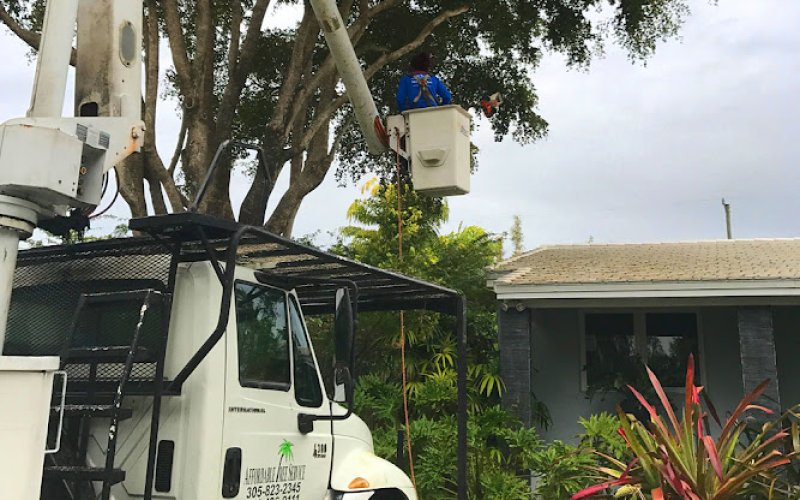
Affordable Tree Service Inc. - Tree Service Miami
Tree service
Arbor Tree Care
Tree service
Miami Tree Crew
Tree service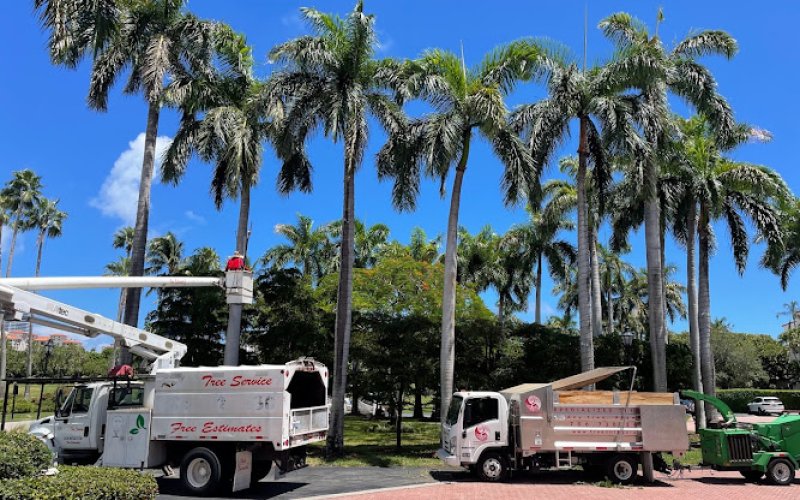
Specialized Tree Care
Tree service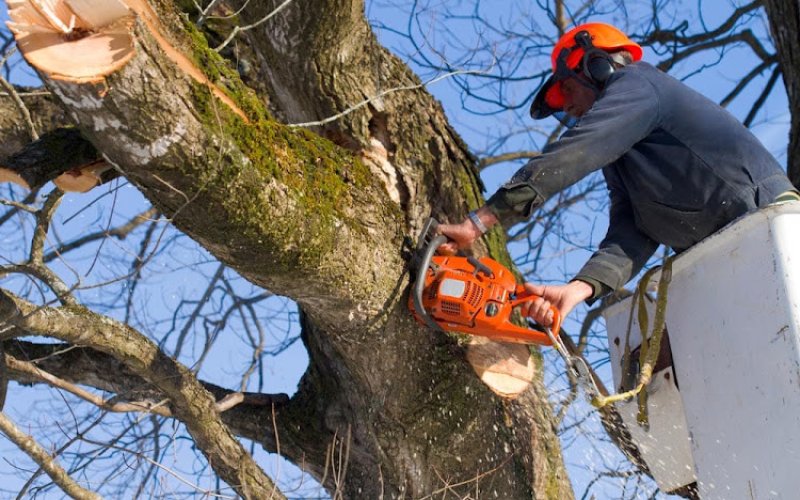

Anthony Tree Care
Tree service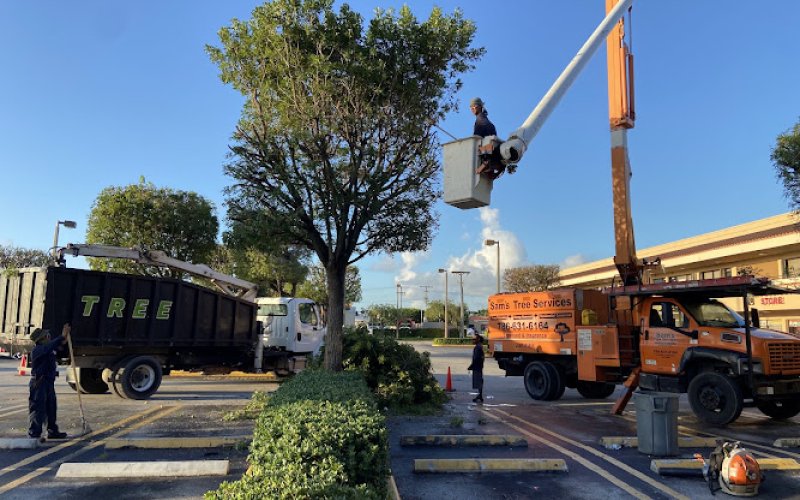
Sam's Tree Service
Tree service
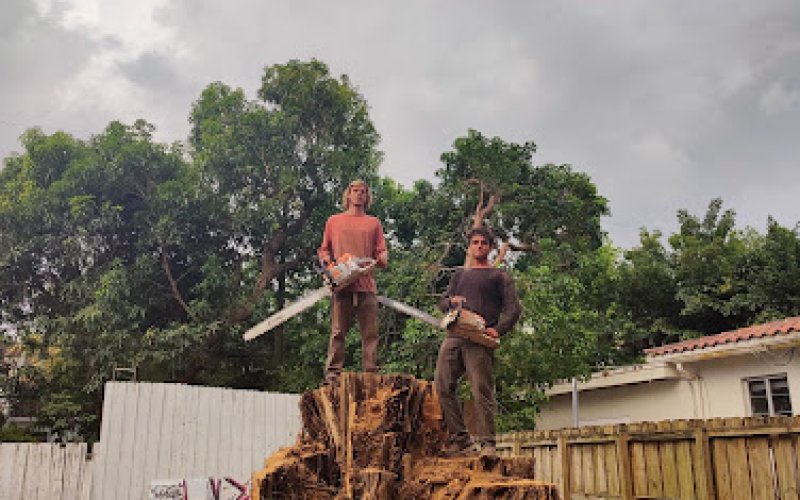
Sunshine Grove Arbors
Tree service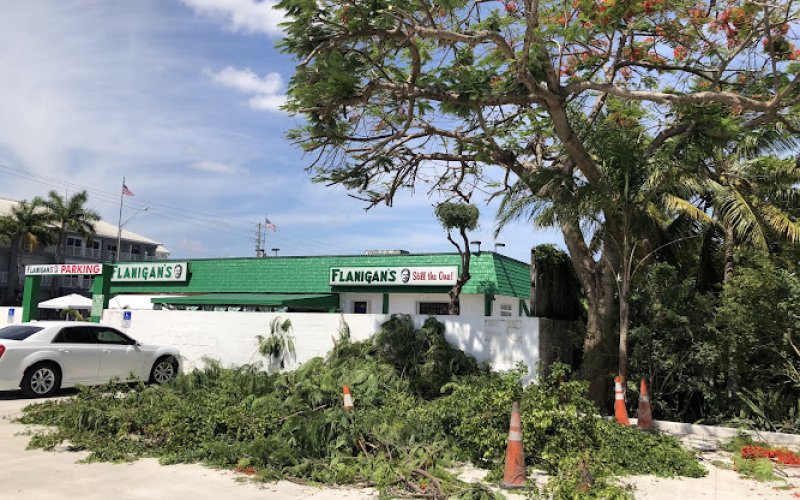
Sunshine Tree Trimming
Tree service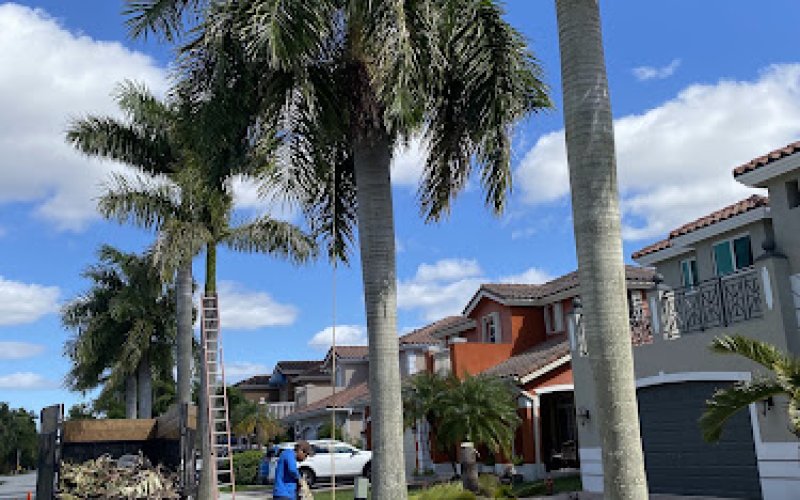
Premium Tree Service
Tree service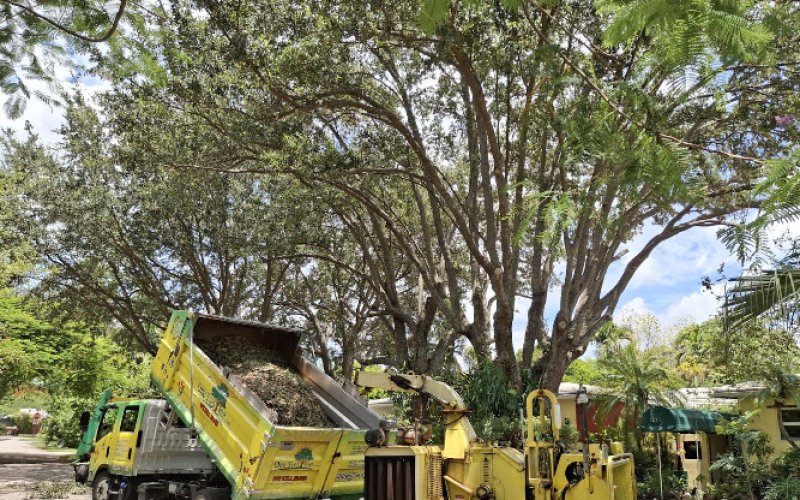
One Two Tree
Tree service
True Tree Service
Tree serviceAbout tree care in Miami
Miami grows trees faster than almost anywhere in the country, and the same warm, wet climate that makes a mango tree swallow a backyard also makes it a liability. A canopy that looks fine in May can be a hazard by October. That tension drives nearly everything about Tree Care Services here.
Demand swings hard with storm season. Hurricane threats send people scrambling for pre-storm trimming, and the days after a hit bring a flood of emergency calls for downed limbs and trees on roofs, fences, and cars. Between storms, the steady work is trimming overgrown ficus, thinning mature oaks, pulling dead palms, and dealing with root problems near pools and foundations.
The market is crowded and fragmented. Large companies with bucket trucks and cranes sit alongside small crews working out of a single pickup, and the quality gap between them is real. Customers are mostly homeowners, with HOAs, condo associations, and developers clearing lots filling out the rest. What sets Miami apart: shallow-rooted tree species, a high water table, fast growth, and wind that treats weak branch attachments as a dare.
Coral Gables
- Area Profile: Established, higher-income, famous for its tree-lined streets and Mediterranean-style architecture
- Tree Care Services Activity: Heavy on trimming and pruning of large banyans, oaks, and mahoganies. Removal is less casual here than elsewhere.
- Price Range: Often toward the upper end of Miami pricing, given tree size and permit paperwork
- Local Note: 📍 The city protects its canopy and regulates removal of many trees, so expect permit steps before anything big comes down. A reputable company should walk you through this.
Coconut Grove
- Area Profile: Leafy, eclectic, a mix of longtime residents and newer high-end buyers
- Tree Care Services Activity: Big-canopy maintenance, palm care, and storm-hazard assessment
- Price Range: Mid to high, with large specimen trees pushing the top
- Local Note: Dense old growth plus tight, winding lots means equipment access can complicate jobs and raise labor costs.
Pinecrest
- Area Profile: Affluent, suburban, large lots, strong curb-appeal culture
- Tree Care Services Activity: Regular trimming, hurricane-prep thinning, stump grinding after removals
- Price Range: Mid to high; bigger properties mean bigger jobs
- Local Note: Larger lots usually give crews easier access, but the sheer size of the trees can mean crane work.
Kendall
- Area Profile: Sprawling, family-oriented, a wide mix of housing ages and incomes
- Tree Care Services Activity: The practical middle: routine trimming, removal of storm-damaged or diseased trees, stump grinding
- Price Range: Mostly mid-range, with room for budget jobs on smaller trees
- Local Note: HOA rules vary a lot from one subdivision to the next, so check before you book.
Little Havana & Allapattah
- Area Profile: Dense, older housing stock, smaller lots, mixed incomes
- Tree Care Services Activity: Overhanging limbs near power lines, mango and avocado maintenance, removal of trees crowding tight yards
- Price Range: Generally lower to mid-range
- Local Note: Narrow access and overhead utilities make the job harder than the tree size suggests.
📊 Current Price Points:
- Budget options: roughly $150–$500 (small tree trimming, basic pruning, a handful of limbs)
- Mid-range: roughly $500–$1,500 (medium tree removal, the most common job)
- Premium: $1,500 and up, sometimes well up (large or hazardous removals needing a crane, big stump grinding jobs)
These are broad ranges, not quotes. Access, tree condition, and proximity to structures swing the final number a lot.
📈 Market Trends:
- Demand stays steady year-round and spikes after storms. Climate-driven storm worry keeps preventive trimming popular.
- Skilled climbers and crane operators are the bottleneck, so good crews can book up.
- Pricing has leaned upward as equipment, insurance, and labor costs climb.
- Emergency calls get triaged fast but can mean long waits after a major storm. Routine jobs often schedule within a couple of weeks to a couple of months, depending on season.
💰 What People Are Spending:
- Routine trimming and pruning — often a few hundred dollars up to $1,000 or more for large trees
- Medium tree removal — commonly $500–$1,500
- Stump grinding — frequently $100–$500 depending on size and number
- Emergency storm cleanup — hard to pin down, and prices can jump when demand surges
Miami is a large, dense, continually developing metro, and that shapes demand in a few ways.
Economic Indicators:
- Housing stays in demand, and a lot of that housing sits under mature tree cover.
- Tourism, trade, real estate, and finance are the well-known economic anchors, and property owners with money tend to spend on landscape upkeep.
- New construction and redevelopment keep generating lot-clearing work.
- Income varies widely by neighborhood, which is why pricing and expectations differ so much across the city.
Local Market Dynamics:
Competition is fragmented. You'll find established arborist firms, mid-size removal outfits, and a long tail of small operators. Fast growth, hurricane exposure, and shallow roots in sandy, high-water-table soil mean trees fail more often than owners expect.
How This Affects Customers:
Plenty of options, but uneven quality. A cheap quote from an uninsured crew can cost far more if something goes wrong. And the post-storm rush is exactly when scammers show up.
Miami Seasonal Patterns:
- ☀️ Spring/Summer: Fast growth, pre-hurricane-season trimming, and the start of storm season. Booking tightens as the season builds.
- 🍂 Fall: The tail end of hurricane season. Post-storm demand can be intense, then settles.
- ❄️ Winter: The calmest stretch. Miami's mild winter works in your favor, since many trees can be pruned with less stress and crews are often easier to schedule.
- 📅 Peak months: Late summer through early fall tends to be the crunch. Book early or expect to wait.
Timing Tips for Miami:
The best window for non-emergency work is usually winter and early spring, before storm season ramps up. Emergency demand spikes immediately after any named storm brushes the area. Routine jobs can often be scheduled in a few weeks off-peak, but longer in busy periods.
Smart Timing Tips:
- ✓ Get trimming done before June, not after a storm warning
- ✓ Call for quotes in the off-season when crews have breathing room
- ✓ Bundle trimming, removal, and stump grinding into one visit
- ✓ Never rush into a decision during the post-storm chaos
Credentials to Verify:
- ISA Certified Arborist credential, the most recognized mark of real tree expertise
- A valid local business tax receipt
- Liability insurance and workers' compensation for climbers
- Affiliation with groups like the Tree Care Industry Association (TCIA) signals professionalism
- Check reviews for patterns across Google, Yelp, and BBB, not just star ratings
Questions to Ask:
- How long have you worked in Miami?
- Can you give local references?
- Do you carry both liability insurance and workers' comp? Ask for proof.
⚠️ Red Flags Specific to Miami Tree Care Services:
- No proof of liability insurance or workers' comp. If a worker is hurt on your property, you could be held responsible.
- Door-knockers after a storm pushing immediate removal of a tree that doesn't need to come down.
- Demands for full payment upfront before any work starts.
- Offers to "top" a tree, cutting it flat. It's a harmful practice reputable arborists avoid.
Where to Check Complaints:
- The Better Business Bureau
- Google and Yelp, looking for repeated complaints about the same issue
- Your local city or county permitting office for questions about tree removal rules
✓ Established presence in Miami, not just passing through
✓ Verifiable local reviews and references
✓ Transparent pricing, no hidden fees
✓ A clear process explained upfront
✓ Responsive communication
Can't or won't show proof of insurance
Pressure to decide on the spot
Cash-only with no written estimate
Recommends topping or removes a healthy tree without explaining why
Check Reviews & Ratings
We recommend verifying businesses through trusted review platforms before making a decision.
Frequently Asked Questions
Popular Categories in Miami
Explore Other Cities
🌳 Tree Care Pros near Miami
Professional Categories in Miami, FL
Related Services from Similar Professionals