Need Tree Care Services in Fort Smith? Find Your Pro Here
Welcome to your go-to spot for finding tree care folks in Fort Smith! Whether you've got a storm-damaged oak or just need some routine trimming, we've got local pros ready to help.
Map of Businesses in Fort Smith
All Listings in Fort Smith
10 businesses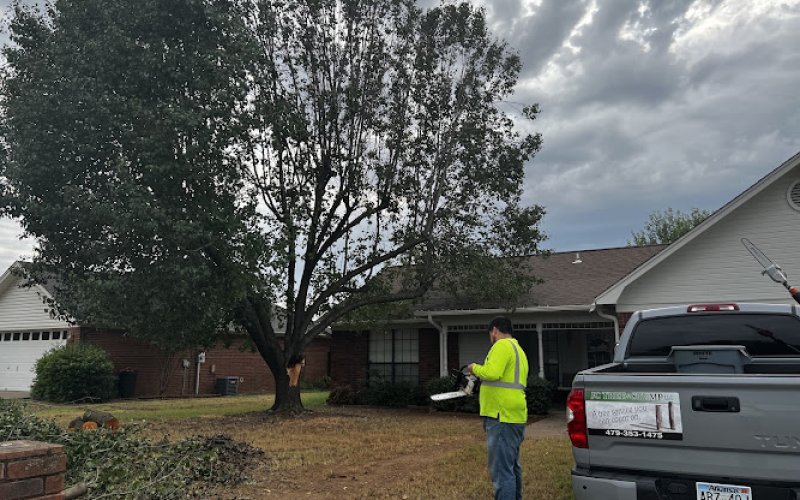
JC tree & stump LLC
Tree service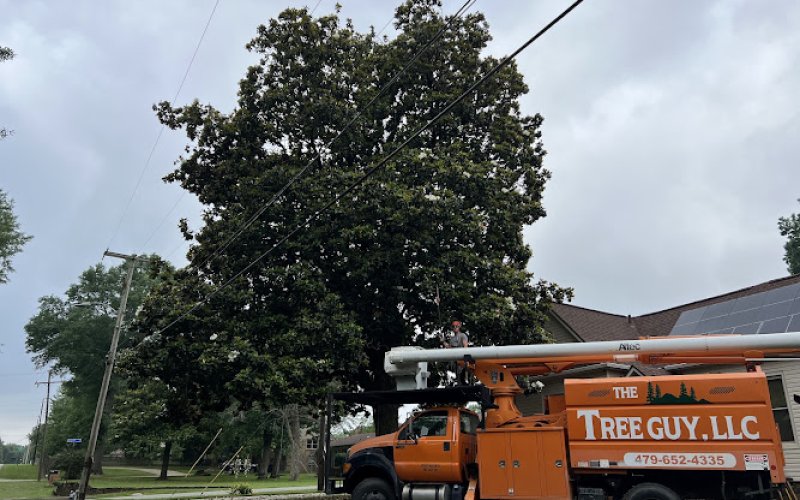
The Tree Guy LLC
Tree service
Vasquez Tree and Landscaping Service
Tree service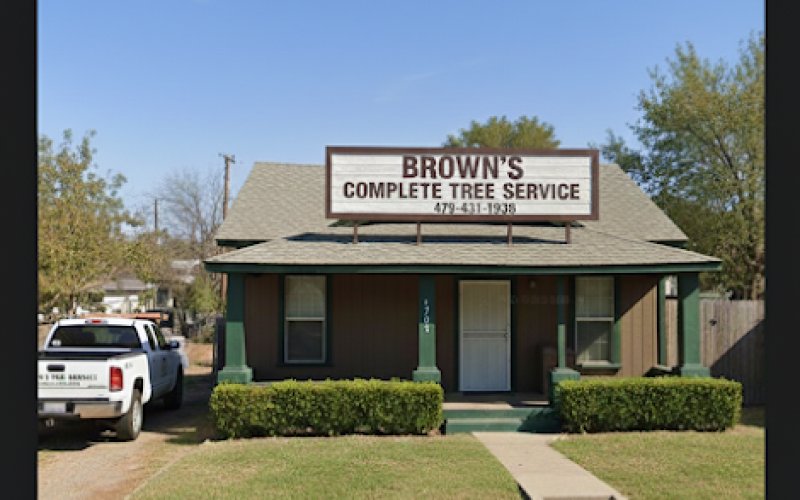
Brown's Complete Tree Service
Tree service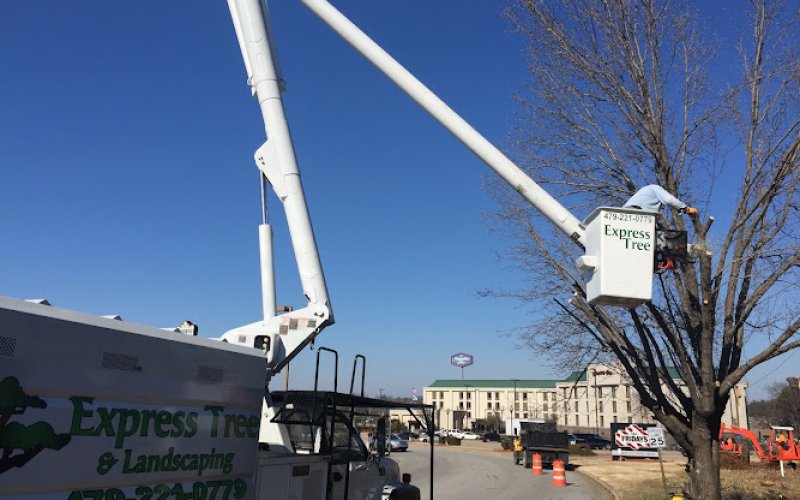
Express Tree & Landscaping Services LLC
Tree service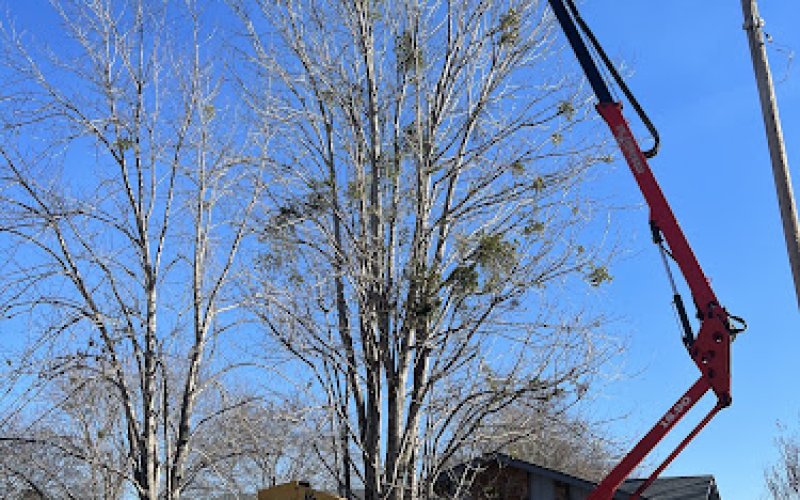
Liberty Tree
Tree service
Mullen's Tree Service
Tree service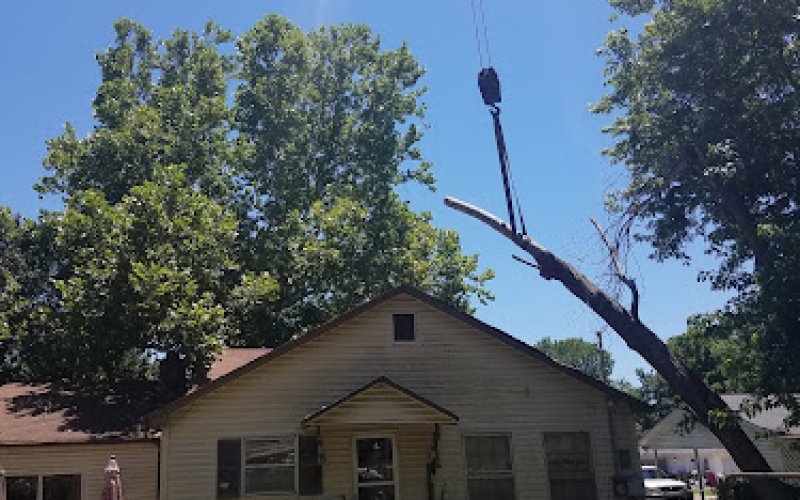
Brad's Tree Care
Tree service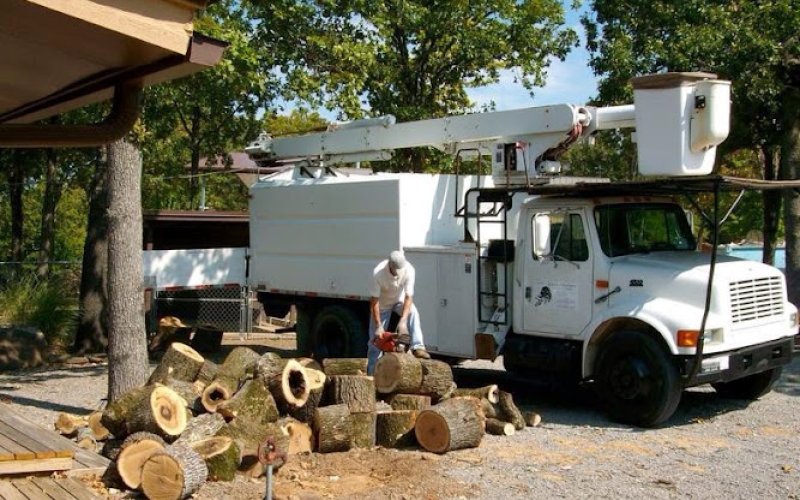
Emilio Martinez Tree Service
Tree service
West Tree Services.
Tree serviceAbout tree care in Fort Smith
Drive down almost any older street in Fort Smith after a spring thunderstorm rolls through, and you'll see the pattern repeat itself — a split water oak leaning on a power line, a chunk of silver maple in somebody's driveway, a crew already working two houses down. That's the rhythm of Tree Care Services here. It's less a steady, predictable business and more a market that surges hard after weather events and then settles into slower, routine maintenance work the rest of the year.
The demand backbone in Fort Smith comes from a mix of things stacking on top of each other. You've got a lot of mature tree canopy in the older parts of town — oaks and hackberries that have been growing since before the interstate went in — plus a regional storm pattern that brings straight-line winds, ice events some winters, and the occasional tornado risk that keeps insurance adjusters and tree crews equally busy. Add in newer residential development pushing out toward Chaffee Crossing and the outskirts near Barling, where lots need clearing before a single foundation gets poured, and you've got demand coming from multiple directions at once.
The market itself feels fragmented rather than dominated by one or two big players. You've got small two-to-three-person crews running a chipper truck and a chainsaw, working mostly word-of-mouth, sitting alongside a handful of larger operations with bucket trucks, stump grinders, and ISA Certified Arborists on staff. Customers span a wide range too — homeowners dealing with a leaning tree they've been nervous about for two years, developers clearing lots for new builds, HOAs maintaining common areas in the newer subdivisions, and property managers who just want dead limbs off apartment complex grounds before something falls on a car.
Belle Grove Historic District
- Area Profile: Older, established homes, tight lots, a lot of pride in the historic character of the neighborhood.
- Tree Care Services Activity: Heavy on pruning and canopy maintenance for legacy oaks, plus cabling/bracing work to save specimen trees rather than remove them.
- Price Range: Mid-to-upper range, often $600–$2,500 depending on tree size and access.
- Local Note: Narrow streets and close-set houses mean crews often can't bring in a bucket truck — expect more climbing work, which usually adds to labor cost.
Chaffee Crossing
- Area Profile: Newer construction, growing family population, a mix of new-build subdivisions and still-undeveloped land.
- Tree Care Services Activity: Lot clearing, stump grinding, and removal of trees that are structurally too close to new foundations.
- Price Range: Varies widely — clearing jobs can run from a few hundred dollars for a single tree to several thousand for multi-acre lot prep.
- Local Note: Because it's newer growth, you're less likely to run into massive legacy oaks — but developers here often want fast turnaround, so scheduling gets tight during building season.
Sunset Terrace / Free Ferry Road area
- Area Profile: Established, higher-income pocket with larger lots and a heavier tree canopy than most of the city.
- Tree Care Services Activity: Regular pruning contracts, storm damage cleanup, and a fair amount of preventative work — homeowners here tend to get ahead of problems rather than wait.
- Price Range: Tends to run higher, $800–$3,000+ for larger removals given tree size and the value of the property.
- Local Note: Mature hardwoods here are big investments — expect more customers requesting a certified arborist's opinion before agreeing to a full removal.
Grand Avenue / Downtown Corridor
- Area Profile: Mixed residential and commercial, older housing stock, more rentals and smaller lots.
- Tree Care Services Activity: Trimming for sidewalk/power line clearance, hazard removal, smaller-scale stump grinding.
- Price Range: Generally on the lower-to-mid end, $300–$1,500 for most jobs.
- Local Note: City right-of-way rules and utility line proximity come up a lot here — crews need to know who to coordinate with before cutting near power lines.
South Fort Smith (near Massard/Rogers Ave corridor)
- Area Profile: Suburban, a good mix of established and mid-age subdivisions, moderate income levels.
- Tree Care Services Activity: Routine trimming, storm cleanup, and stump grinding after older pines or fast-growing softwoods come down.
- Price Range: Fairly typical mid-range market pricing, $400–$1,800 depending on job scope.
- Local Note: A lot of HOA-governed subdivisions out this way, so tree removal sometimes needs board approval — something out-of-town crews often don't think to ask about.
📊 Current Price Points:
- Budget options: $150–$450 (small tree/limb trimming, basic pruning)
- Mid-range: $500–$1,800 (medium tree removal, the most commonly booked job)
- Premium: $2,000+ (large or hazardous removals requiring a crane, extensive multi-stump grinding, or specialty rigging near structures)
📈 Market Trends:
- Demand runs seasonal and storm-driven — steady baseline work most of the year with sharp spikes after severe weather.
- Crew and equipment availability tightens noticeably in the days right after a bad storm system moves through; local crews get booked out fast and sometimes outside crews come in temporarily to help with cleanup.
- Pricing has been drifting upward gradually, in line with fuel, insurance, and equipment costs — nothing dramatic, just a slow creep.
- Dormant-season pruning (roughly late fall through winter) tends to be both cheaper and better for tree health, so it's a good time for non-urgent work.
- Emergency work post-storm often gets scheduled within a day or two if there's a safety issue (tree on a house, blocking a road); routine trimming can sometimes mean waiting several weeks to a couple months during peak season.
💰 What People Are Spending:
- Tree removal (medium-sized) — $600–$1,800
- Trimming/pruning — $200–$800
- Stump grinding — $150–$500 per stump, more for multiple
- Emergency storm cleanup — highly variable, $300–$2,500+ depending on scope and access
Economic Indicators: Fort Smith's population has held fairly steady with modest growth in the surrounding areas, particularly toward Chaffee Crossing and Barling. The regional economy leans on manufacturing, healthcare, and a solid logistics/distribution presence given the river and highway access. Income levels skew middle-of-the-road overall, with some more affluent pockets near Free Ferry Road and parts of south Fort Smith. New residential development has been steady rather than explosive, which keeps a consistent trickle of lot-clearing work flowing alongside the storm-driven spikes.
Local Market Dynamics: The tree canopy across the older neighborhoods is aging, which means more limb failure and disease susceptibility over time — that alone keeps demand fairly constant. Add in the region's exposure to severe storms, and you get a market that never fully goes quiet. Competition is fragmented: a lot of small operators, a few established mid-size companies, and occasional out-of-town storm-chaser crews that show up after major weather events and then leave.
How This Affects Buyers/Customers: If you're a homeowner in an older neighborhood with big oaks, budget for regular maintenance rather than treating tree care as a one-time expense. If you're clearing a lot for new construction near Chaffee Crossing, expect scheduling to depend on how busy building season is. And if a storm just came through, know you're competing with half the city for crew time — patience (and being upfront about real hazards vs. cosmetic damage) helps.
Fort Smith Seasonal Patterns:
- ☀️ Spring/Summer: High demand — full canopy makes hazards more visible, and this is prime storm season, so emergency work spikes.
- 🍂 Fall: Good window for pre-winter hazard removal and general cleanup before leaves and weather complicate things.
- ❄️ Winter: Slower season overall — dormant-season pruning is often cheaper and healthier for the tree, so it's a smart time to schedule non-urgent work.
- 📅 Peak months: Late spring through mid-summer for storm response; book routine work in winter or early spring before the rush.
Timing Tips for Fort Smith: The best window for non-emergency work and better pricing tends to be winter into early spring, before storm season ramps up demand. Emergency-call volume spikes almost immediately after severe weather — sometimes crews are booked solid within hours. For routine trimming or removal, scheduling a few weeks to a couple months out during busy season is realistic; in the slow season, you can often get on the calendar much faster.
Smart Timing Tips:
- ✓ Book dormant-season pruning in winter for better pricing and tree health.
- ✓ Don't wait until a storm is forecast to deal with a tree you already know is hazardous.
- ✓ Get on a reputable crew's schedule early if you know you'll need lot-clearing before a spring build.
- ✓ Be wary of anyone with suspiciously immediate availability right after a big storm — that's often a sign of an out-of-town crew, not necessarily a bad one, but worth extra vetting.
Credentials to Verify: Look for an ISA Certified Arborist on staff, especially for anything involving large or structurally complex trees — that credential means someone assessing your tree actually knows tree biology, not just how to run a chainsaw. Confirm they carry a proper Arkansas business license and, critically, both general liability insurance and workers' compensation coverage for their climbers. Membership in an organization like TCIA (Tree Care Industry Association) is a good signal, though plenty of solid local outfits operate without it. Check reviews on Google and Facebook, and look for a pattern — one bad review isn't a dealbreaker, but repeated complaints about no-shows or property damage are.
Questions to Ask: How long have they actually been working in Fort Smith specifically? Can they give references from local jobs, not just generic testimonials? Do they carry both liability insurance and workers' comp for anyone climbing on your property — because if a worker gets hurt on your land and they don't, you could be on the hook.
⚠️ Red Flags Specific to Fort Smith Tree Care Services:
- No proof of liability insurance or workers' comp — if a worker is hurt on your property without it, you can be held liable.
- Door-knockers after a storm pushing immediate removal of a tree that doesn't actually need it.
- Demanding full payment upfront before any work starts.
- Offering to "top" a tree (cutting it flat) — a harmful practice reputable arborists avoid.
Where to Check Complaints: The Better Business Bureau is a solid starting point for complaint history. Beyond that, cross-reference Google and Yelp reviews — watch for patterns like vague pricing complaints, no-shows, or damage disputes that repeat across multiple reviews rather than a single outlier.
✓ Established presence in Fort Smith (not just passing through)
✓ Verifiable local reviews and references
✓ Transparent pricing, no hidden fees
✓ Clear process explained upfront
✓ Responsive communication
Check Reviews & Ratings
We recommend verifying businesses through trusted review platforms before making a decision.
Frequently Asked Questions
Popular Categories in Fort Smith
Explore Other Cities
🌳 Tree Care Pros near Fort Smith
Professional Categories in Fort Smith, AR
Related Services from Similar Professionals