Your Denver, CO Tree Care Services, Sorted
Welcome to your go-to spot for finding tree care pros in Denver! Whether your tree needs a trim, a checkup, or a little TLC after that last windstorm, we've got you covered.
Map of Businesses in Denver
All Listings in Denver
19 businesses
Arborist Prime LLC
Tree service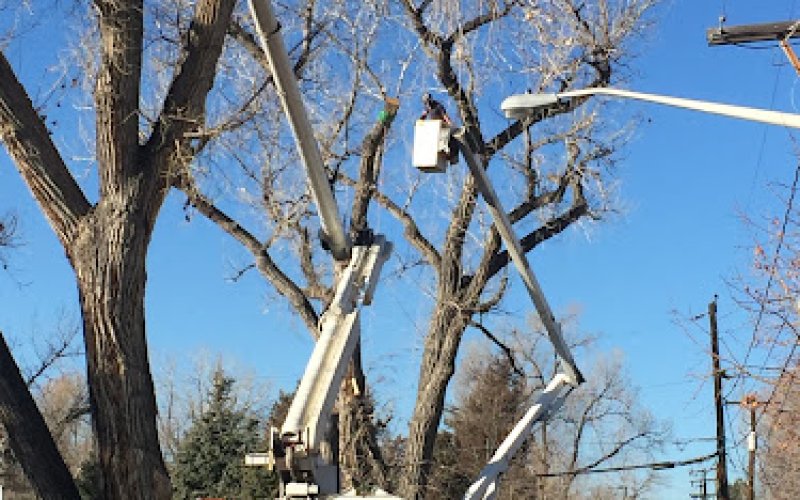
Colorado Tree Experts LLC
Tree service
Copper Top Tree Care
Tree service
Denver Tree Company
Tree service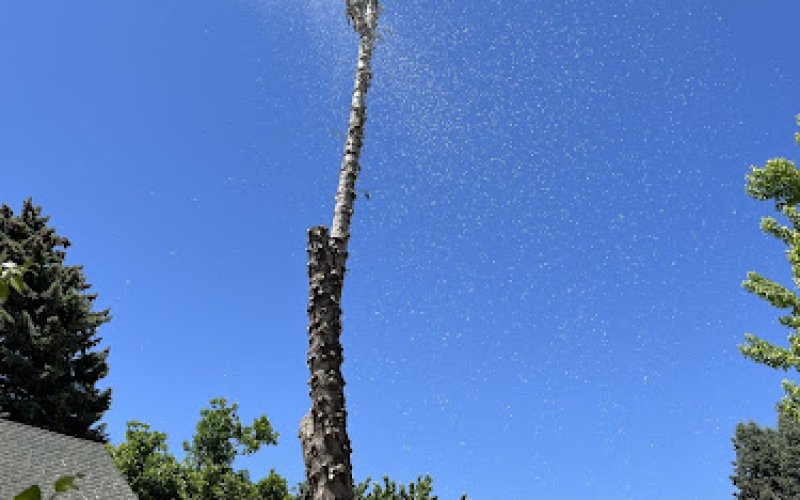
Natural Tree Care and Recycling
Tree service
Tannenbaum Tree Care
Tree service
TreeTek Tree Care
Tree service
Arbor Care Tree Solutions
Tree service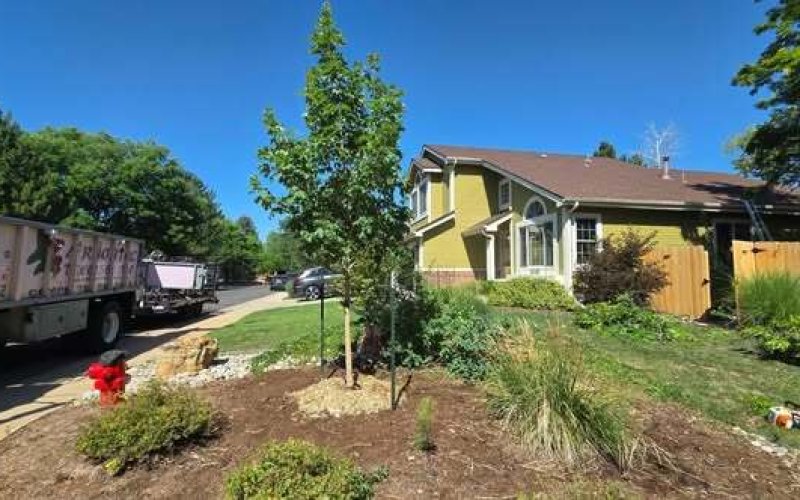
Arbortec Tree Service
Tree service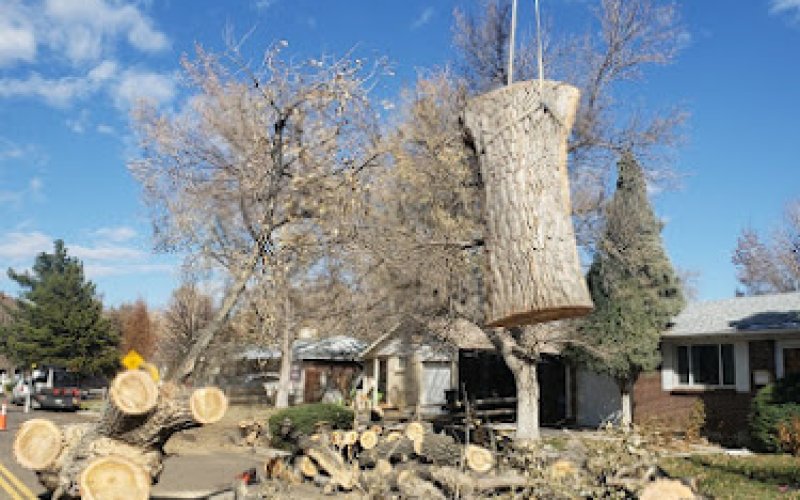
Fir Sure Arbor Pro LLC
Tree service
Colorado Premier Tree Care
Tree service
DLC Landscape & Arbor
Tree service
Preservation Tree Care Inc
Tree service
Reliable Tree Care
Tree service
SavATree - Tree Service & Lawn Care
Tree service
The Davey Tree Expert Company
Tree service
Environmental Tree Care LLC
Tree service
J & J Tree Care
Agricultural service
Arbor Pro Tree Experts Co. Inc.
Tree serviceAbout tree care in Denver
Denver is a city of planted trees. That's the odd thing about it. This is high plains country, semi-arid and naturally short on shade, so almost every big canopy you see in Wash Park or Park Hill exists because somebody planted it a century ago and kept it watered. Those trees are now old, and old trees need attention. Silver maples, American elms, green ash, cottonwoods: all shade giants, and all prone to the kind of limb failures that make a homeowner call a crew.
Demand for Tree Care Services here comes from a few predictable places. Mature trees reaching the end of their structural life. Hail and heavy, wet spring snow, which snaps branches in ways that leave a yard looking like a lumber pile. Pest and disease pressure (emerald ash borer has been a known concern along the Front Range, and it's pushed a lot of ash removals). And new construction, where lots get cleared before anything gets built.
The market feels fragmented. Plenty of small, owner-run crews sit alongside a handful of larger outfits with bucket trucks and cranes. Customers are mostly homeowners with one hazardous or unwanted tree, plus HOAs managing common areas and builders clearing sites. Add Denver's mix of tight urban lots, steep foothill-adjacent terrain, and wide temperature swings, and you get a market that rewards crews who know local conditions.
Washington Park
- Area Profile: 📍 Affluent, historic homes, lots of long-term owners, and a strong culture of keeping property looking sharp.
- Tree Care Services Activity: Heavy on pruning, crown cleaning, and preservation work on big mature trees. Removals happen, but owners here often fight to save a tree first.
- Price Range: Skews toward the higher end of the market; large-tree work commonly runs well into four figures.
- Local Note: Narrow alleys and tight lots can limit equipment access, which sometimes means more climbing and hand-rigging, and more labor on the bill.
Park Hill
- Area Profile: Leafy, established, mix of longtime families and newer arrivals, known for a deep tree canopy.
- Tree Care Services Activity: Elm and ash care, structural pruning, and storm cleanup. Plenty of interest in keeping the canopy healthy rather than clear-cutting.
- Price Range: Mid to upper range for most jobs.
- Local Note: The older trees here can be enormous, so jobs sometimes need larger crews or a crane. Get a few quotes.
Highlands
- Area Profile: Dense, trendy, lots of renovations and infill, with smaller yards.
- Tree Care Services Activity: Removals tied to remodels, trimming over rooflines, and stump grinding after a tree comes down.
- Price Range: Mid-range for typical residential work, climbing when access is tight.
- Local Note: Small lots and close neighbors mean care around fences, power lines, and shared property lines.
Stapleton (Central Park)
- Area Profile: Newer master-planned community, younger trees, strong HOA presence.
- Tree Care Services Activity: More young-tree pruning and routine maintenance than big removals.
- Price Range: Generally lower to mid-range, since the trees are smaller.
- Local Note: ⚠️ Check HOA rules before removing or heavily pruning anything. Approval requirements can apply.
📊 Current Price Points:
- Budget: roughly $150–$500 for small tree trimming or basic pruning
- Mid-range: roughly $500–$1,800 for medium tree removal, the busiest segment
- Premium: $2,000 and up for large or hazardous removals, crane work, or heavy stump grinding
These are ballpark ranges. Actual quotes swing based on tree size, access, and how close it sits to structures or power lines.
📈 Market Trends:
- Demand looks steady with seasonal bumps, and storm-driven spikes are the norm.
- Skilled climbers and experienced crew leads remain hard to find, which keeps labor costs firm.
- Pricing has generally trended upward as fuel, equipment, and insurance costs rise.
- Dormant-season pruning (late fall through winter) tends to be quieter, and sometimes friendlier on price.
- Emergency jobs after a storm can get scheduled fast. Routine work may wait weeks, especially in busy months.
💰 What People Are Spending:
- Routine trimming and pruning: typically a few hundred dollars to roughly $1,000
- Medium tree removal: commonly $500–$1,800
- Stump grinding: often $100–$500 depending on size and number of stumps
- Emergency storm cleanup: highly variable, and often pricier because of urgency and risk
Economic Indicators:
- The metro has grown for years, and housing demand has stayed strong, though pace has varied.
- Denver's economy leans on tech, aerospace, energy, healthcare, and government, which supports a base of homeowners with money to spend on property upkeep.
- Infill and redevelopment keep generating lot-clearing and removal work.
Local Market Dynamics:
Mature canopy age is the big one. A lot of Denver's older neighborhoods were planted generations ago, so trees are hitting senior age all at once. Add storm frequency and pest pressure, and demand rarely dries up. Competition is spread across many small operators and a few bigger firms, so quotes can differ quite a bit.
How This Affects Customers:
Practically, it means you have options, but also a wide spread in quality and price. A homeowner in an older neighborhood with a giant silver maple has different needs than someone in a newer subdivision with young trees. Get multiple estimates, and don't assume the lowest bid is the best deal.
Denver Seasonal Patterns:
- ☀️ Spring/Summer: Busy. Storm season brings hail and wind damage, and full-canopy work stays active.
- 🍂 Fall: Solid demand, especially for pre-winter hazard removals before heavy snow.
- ❄️ Winter: Often slower, and dormant-season pruning is generally good for the tree and sometimes easier on your wallet.
- 📅 Peak months: Late spring through summer can mean longer waits, so book early.
Timing Tips for Denver:
Non-emergency work tends to go smoothest in late fall or winter. Emergency demand spikes right after storms, when crews get slammed. For routine jobs, expect to schedule anywhere from a few days to several weeks out, depending on the season.
Smart Timing Tips:
- ✓ Schedule routine pruning in the off-season when crews have breathing room.
- ✓ Don't wait on a tree you already know is risky. Storm season is a bad time to find out.
- ✓ Ask about off-peak scheduling if your job isn't urgent.
- ✓ Get estimates before a big storm, not after, so you aren't deciding in a panic.
Credentials to Verify:
- ISA Certified Arborist credential, which signals real training in tree health and safety.
- Proof of general liability insurance AND workers' compensation. Ask for the certificates, and confirm they're current.
- Business licensing as required by the City and County of Denver or your municipality.
- Membership in groups like the Tree Care Industry Association (TCIA) can signal a commitment to safety standards.
Questions to Ask:
- How long have you worked in the Denver area?
- Can you share local references?
- Do you carry both liability and workers' comp for climbers?
⚠️ Red Flags:
- No proof of liability insurance or workers' comp. If a worker is hurt on your property, you could be on the hook.
- Door-knockers after a storm pushing immediate removal of a tree that doesn't actually need it.
- Demanding full payment upfront before any work starts.
- Offering to "top" a tree by cutting it flat. It's a harmful practice reputable arborists avoid.
Where to Check Complaints:
- Better Business Bureau
- Google and Yelp reviews. Look for patterns, not one-offs.
- The Colorado Attorney General's consumer protection office, for serious disputes.
✓ Established presence in Denver, not just passing through
✓ Verifiable local reviews and references
✓ Transparent pricing with no hidden fees
✓ A clear process explained upfront
✓ Responsive communication
No insurance, or reluctance to show proof
Pressure to sign immediately, especially after a storm
Insisting on tree topping
Cash-only demands with no written estimate
Check Reviews & Ratings
We recommend verifying businesses through trusted review platforms before making a decision.
Frequently Asked Questions
Popular Categories in Denver
Explore Other Cities
🌳 Tree Care Pros near Denver
Professional Categories in Denver, CO
Related Services from Similar Professionals