Charleston's Go-To Tree Care Services for Every Yard
Welcome to your go-to spot for finding trusted tree care folks right here in Charleston! Whether you've got a storm-damaged oak or just need some routine trimming, we've got local pros ready to help.
Map of Businesses in Charleston
All Listings in Charleston
11 businesses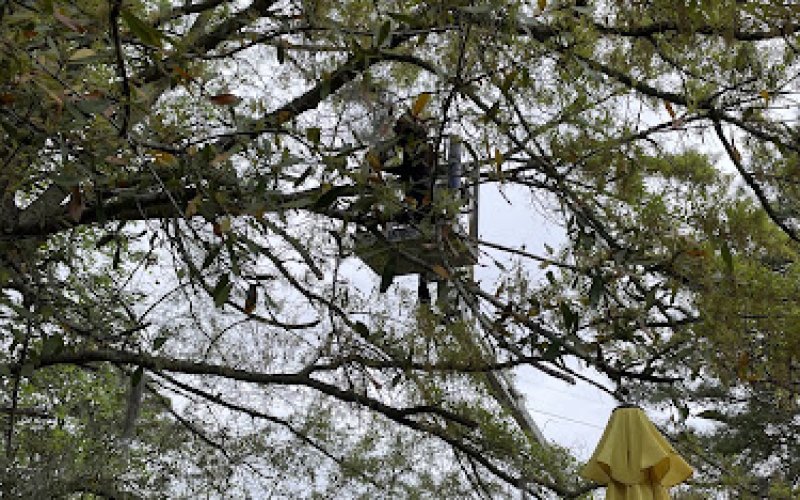
Canopy Tree Care
Tree service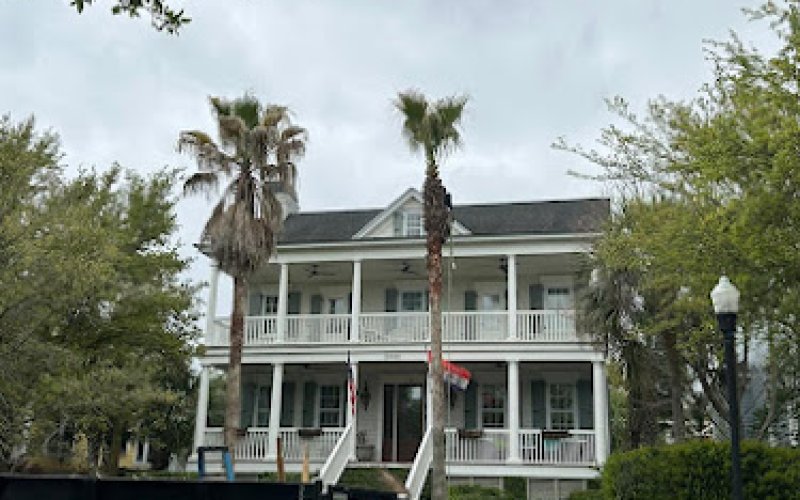
Hernandez Trees and Lawn care LLC
Tree service
Island Tree & Property Care
Tree service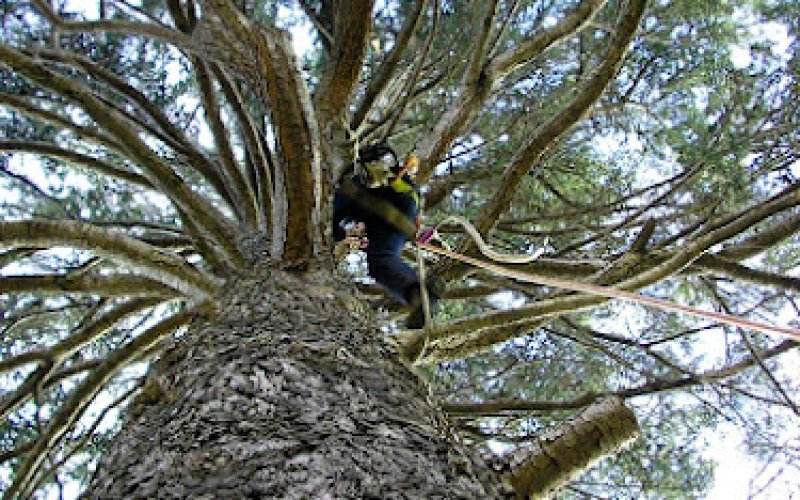
Murray Tree Care
Tree service
Charleston Tree Company, LLC
Tree service
Complete Tree Service
Tree service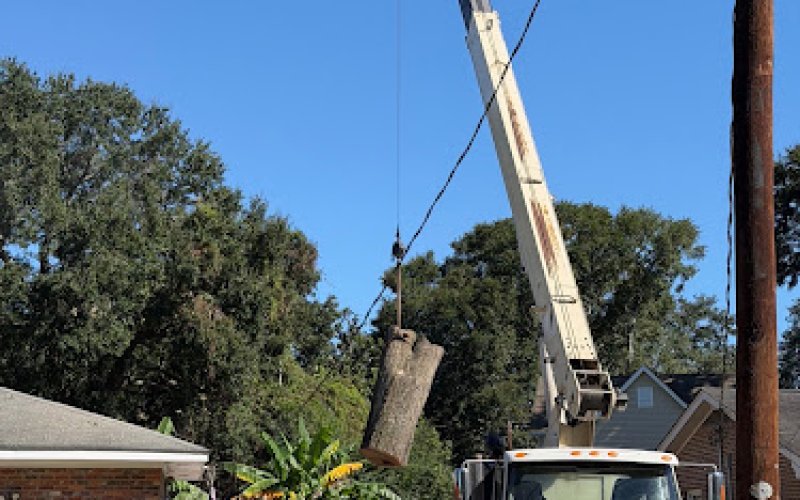
Heartwood Tree Care, LLC
Tree service
The Tree Expert, llc
Tree service
Charleston Tree Experts - SavATree
Tree service
Bartlett Tree Experts
Tree service
Arbor Tree Care
Tree serviceAbout tree care in Charleston
Here's a fun fact about live oaks: they can drop a limb the size of a small car on a calm, sunny day for no reason anyone can spot. No wind, no warning. Just a crack and then a very expensive Tuesday. That's the backdrop for Tree Care Services in Charleston — a market shaped less by aesthetics and more by risk management, because the same trees that make neighborhoods like South of Broad and Wagener Terrace so pretty are also, structurally speaking, ticking clocks. Charleston's demand for Tree Care Services runs on a few overlapping engines. There's the mature tree canopy itself — decades-old live oaks, water oaks, and pines that need regular pruning just to stay stable, let alone healthy. Then there's storm season, which isn't a maybe here, it's a when — tropical systems and the occasional nor'easter roll through and generate a predictable spike in emergency removal calls. Add in pest and disease pressure (pine bark beetles, oak decline, the usual suspects in a humid coastal climate) and new construction pushing into formerly wooded lots around places like Johns Island and Cane Bay, and you've got a market with steady baseline work plus periodic surges that stretch everyone thin. The market itself feels fragmented rather than dominated by one or two big players — a mix of small crews running a truck and a chipper, mid-size outfits with bucket trucks and ISA Certified Arborists on staff, and a handful of larger operations that can handle crane removals. Customers split roughly into three buckets: homeowners dealing with a leaning or storm-damaged tree, developers clearing lots for new builds, and HOAs maintaining common areas and street-facing canopy. What makes Charleston different from, say, a landlocked Southern city is the combination of storm exposure, sandy/compacted soil that limits root stability, and tight historic lots where a bucket truck simply won't fit — all of which push prices and complexity upward compared to more straightforward suburban markets.
South of Broad
- Area Profile: Historic, high-income, tightly packed lots with century-old homes and equally old trees.
- Tree Care Services Activity: Heavy on pruning and preservation work — removal is often a last resort here because the trees are part of the property's value and historic character.
- Price Range: Tends to run higher than average, often $600–$2,500+ for pruning jobs on large legacy oaks.
- Local Note: Narrow alleys and no truck access mean crews frequently climb rather than use bucket trucks — that labor shows up in the bill.
West Ashley
- Area Profile: Established middle-income suburban neighborhoods, lots of mid-century homes with decent-sized yards.
- Tree Care Services Activity: A steady mix of routine trimming, storm cleanup, and stump grinding after removals.
- Price Range: A common range for a mid-size removal here is $500–$1,800.
- Local Note: Easier equipment access than downtown, which tends to keep quotes a bit more competitive.
Johns Island
- Area Profile: Rapidly developing, mix of long-time rural residents and new subdivisions going up on former farmland and wooded acreage.
- Tree Care Services Activity: Lot clearing for new construction, plus large-tree removal on bigger parcels.
- Price Range: Highly variable — small residential jobs look like anywhere else, but land-clearing contracts for developers can run well into the thousands depending on acreage.
- Local Note: Some parcels sit near protected wetlands or have grand trees subject to preservation ordinances, so permitting matters more here than most areas.
Mount Pleasant
- Area Profile: Higher-income, newer construction mixed with older neighborhoods near the Old Village, strong HOA presence in many subdivisions.
- Tree Care Services Activity: Routine maintenance trimming, plus a lot of storm-prep and post-storm cleanup work given the exposure near the harbor.
- Price Range: Mid-to-upper range, often $500–$2,000 depending on tree size and HOA-driven scheduling.
- Local Note: Many HOAs require approval before removing a tree, even a dead one — factor in extra lead time.
North Charleston
- Area Profile: More industrial and working-class mix, larger lots in some pockets, lower average income than peninsula neighborhoods.
- Tree Care Services Activity: Budget-conscious trimming and removal, plus commercial property clearing near business corridors.
- Price Range: Generally the most affordable in the metro, often $300–$1,200 for standard jobs.
- Local Note: Bigger, more open lots mean easier equipment access, which helps keep costs down compared to tighter downtown work.
📊 Current Price Points:
- Budget options: $150–$450 (small tree/limb trimming, basic pruning)
- Mid-range: $500–$1,800 (medium tree removal, the most common job type)
- Premium: $2,000+ (large or hazardous removals requiring a crane, extensive stump grinding, multi-tree lot clearing)
📈 Market Trends: Demand stays fairly steady year-round but spikes hard and fast after tropical storms or major wind events — that's just the rhythm of coastal living. Crew availability tightens noticeably during those surge periods, since local companies get pulled into emergency work and routine jobs get pushed back. Pricing has generally trended upward gradually, driven by insurance costs, equipment costs, and demand for certified arborists rather than any single dramatic jump. Dormant winter months (roughly December through February) tend to be the calmer, more negotiable window for non-emergency pruning. Emergency work post-storm often gets scheduled within days; routine trimming or removal in calmer months can take anywhere from one to several weeks depending on the company's backlog. 💰 What People Are Spending:
- Tree removal (medium-sized): $500–$1,800
- Trimming/pruning: $150–$600 per tree, more for large legacy oaks
- Stump grinding: $150–$500 depending on diameter
- Emergency storm cleanup: $300–$2,000+, highly dependent on urgency and access
Charleston's population has been growing steadily for years, with continued residential expansion pushing outward into Johns Island, Cane Bay, and parts of Summerville-adjacent areas. The region's economy leans on tourism, the port/logistics industry, and a growing tech and manufacturing presence (Boeing and various suppliers among the bigger employers), which supports a broad range of income levels across the metro rather than one dominant bracket. New residential development continues to eat into wooded lots, which feeds a steady stream of clearing and removal work. Local Market Dynamics: The core driver here isn't fashion or trend — it's biology and weather. Mature oak canopies age and weaken over decades, storm frequency keeps risk elevated, and pest pressure adds another layer of unpredictable demand. Competition feels fragmented: plenty of small independent operators, a middle tier of established regional companies, and a few larger players who can handle crane work and commercial contracts. Recent shifts lean toward more homeowners hiring certified arborists proactively for risk assessments rather than waiting for a limb to come down — a slow but noticeable change in mindset. How This Affects Buyers/Customers: Practically, this means pricing and availability swing depending on when you call. Book a routine pruning job in March right after a spring storm rolls through, and you might wait longer and pay a premium versus scheduling the same job in a quiet January.
- ☀️ Spring/Summer: High demand — full canopy makes hazards more visible, and this overlaps with the start of hurricane season, so storm-related calls climb.
- 🍂 Fall: Moderate demand, good window for proactive pre-winter hazard removal before storm season winds down and before holiday scheduling gets tight.
- ❄️ Winter: Slower season overall — dormant-season pruning is often healthier for the tree and cheaper for you, since crews have more open calendar space.
- 📅 Peak months: Book early for anything in late summer/early fall; more room to negotiate in January and February.
Non-emergency work is generally cheapest and easiest to schedule in winter. Emergency demand spikes hardest in the 48–72 hours after a major storm, when every crew in the region is booked solid. Growth cycles mean spring pruning gets pricier as demand rises with the leaves. For routine maintenance, scheduling a few weeks to a couple months ahead is realistic in most seasons. Smart Timing Tips:
- ✓ Schedule routine pruning in winter for better pricing and tree health
- ✓ Get a pre-storm-season risk assessment in early summer before things get busy
- ✓ Don't wait until a tree is visibly failing — early scheduling avoids emergency rates
- ✓ Ask about off-peak discounts if your job isn't urgent
Look for an ISA Certified Arborist on staff, especially for anything involving large or historic trees. Confirm a valid South Carolina business license and ask specifically about general liability insurance and workers' compensation coverage. Membership in the Tree Care Industry Association (TCIA) is a solid signal of professionalism, though plenty of good local operators aren't members. Check Google reviews and Nextdoor mentions for patterns — one bad review is normal, five complaints about no-shows or damage is not. Questions to Ask:
- How long have you been working in the Charleston area specifically?
- Can you provide references from local jobs, ideally in my neighborhood?
- Do you carry liability insurance and workers' comp for climbers on the crew?
⚠️ Red Flags Specific to Charleston Tree Care Services:
- No proof of liability insurance or workers' comp — if a worker is hurt on your property without it, you can be held liable
- Door-knockers after a storm pushing immediate removal of a tree that doesn't actually need it
- Demanding full payment upfront before any work starts
- Offering to "top" a tree (cutting it flat) — a harmful practice reputable arborists avoid
Start with the South Carolina Department of Labor, Licensing and Regulation for contractor-related complaints, plus the Better Business Bureau. Google and Yelp reviews are useful too — look specifically for repeated mentions of property damage, no-shows, or pressure tactics rather than just star ratings.
✓ Established presence in Charleston (not just passing through)
✓ Verifiable local reviews and references
✓ Transparent pricing, no hidden fees
✓ Clear process explained upfront
✓ Responsive communication
No insurance documentation available on request
Cash-only, upfront-payment-in-full demands
Vague or refusing written estimates
Pushing unnecessary removal instead of a lighter-touch fix like pruning or cabling
Check Reviews & Ratings
We recommend verifying businesses through trusted review platforms before making a decision.
Frequently Asked Questions
Popular Categories in Charleston
Explore Other Cities
🌳 Tree Care Pros near Charleston
Professional Categories in Charleston, SC
Related Services from Similar Professionals